Kebab Shop Sanepid Inspection: 7 Failures
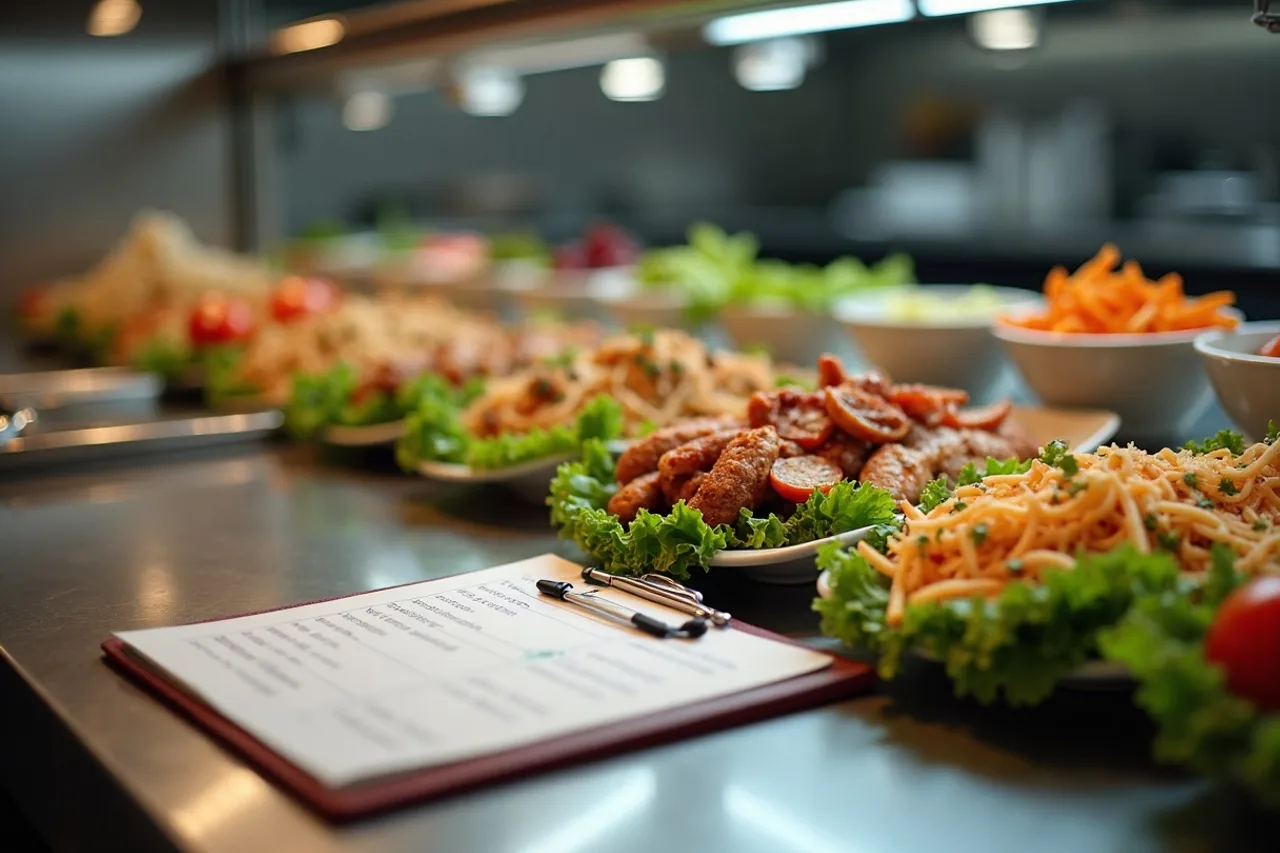
Rotisserie, sauces, basin, slicer, records - seven things kebab shops fail on during a Sanepid inspection. Learn how to avoid each one.
A Kebab Shop and the Sanepid Inspection: 7 Most Common Non-Compliances
A Sanepid inspection in a kebab shop looks a little different from one in an ordinary restaurant - the inspector knows where to look. The rotisserie, salads, sauces, slicer and hand hygiene are the spots where something most often goes wrong. The good news: the list of typical non-compliances is short and predictable. If you go through it in advance, the inspection stops being a lottery. Here are the seven things kebab shops fail on most often - and how to avoid each.
How an inspection unfolds in general is covered in the Sanepid inspection step by step. Here we focus on what is specific to a kebab shop.
The essentials
- The inspector looks at the process, not "show" cleanliness - they care whether the meat, salads and sauces are safe, not whether the floor shines.
- The most common non-compliances are repeatable - meat temperature, sauces out of the fridge, one basin, empty records.
- A thermometer and kept records solve half the problems on their own.
- 15 minutes a day checking your own points is a cheaper insurance than a fine and rework.
1. Rotisserie meat at the wrong temperature
Number one. The inspector may ask to measure the temperature of freshly sliced meat or ask how you control the cooking. If you slice "in advance" and the meat sits in a container, or you reheat without checking it reaches ≥75°C inside - that is a non-compliance.
How to avoid it: slice the outer, fully cooked layer to order, keep a probe thermometer and take CCP measurements. We lay it out in detail in HACCP for a kebab shop: rotisserie, temperatures and critical points.
2. Sauces and salads out of the fridge
A garlic or mayonnaise sauce sitting on the counter all day is a classic. Salads topped up "fresh into old" in the same container - the same. In the warmth, bacteria multiply fastest.
How to avoid it: keep sauces and salads chilled below 5°C, mark the opening/preparation date, do not mix a new batch with an old one, and discard after a set time.
3. One "all-purpose" basin
The hand-wash basin must be separate - with hot water, soap in a dispenser and single-use towels. If staff wash their hands in the produce sink or there is no hot water, the inspector will note it.
How to avoid it: a dedicated hand-wash basin, always stocked, with working hot water. It is an absolute requirement, not a cosmetic detail.
4. A dirty slicer and rotisserie
The meat slicer and the area around the rotisserie collect grease and residue. Dried-on buildup is one of the first signs that cleaning and disinfection happen "once in a blue moon".
How to avoid it: a cleaning and disinfection schedule split by equipment, with a kept record - a ready-made HACCP documentation package includes both the schedule and the logs. How to build a procedure that actually works is shown in cleaning and disinfection - a procedure that works.
5. Empty or "back-filled" records
You have the documentation, but the temperature log has been empty for three weeks - or filled in all at once with the same pen. The inspector treats this as no system, even if the paperwork looks perfect.
How to avoid it: one real entry a day instead of ten invented ones. A record should be a habit, not an end-of-week task.
6. Cold-chain gaps at delivery
Meat received at too high a temperature, no measurement on delivery, out-of-date products in the fridge - these are common non-compliances visible the moment the chiller is opened.
How to avoid it: measure meat temperature on receipt, record it, check use-by dates and apply "first in, first out".
7. Missing clearances and staff hygiene
An out-of-date sanitary-epidemiological certificate (yours or that of a staff member hired "in a hurry"), no work clothing, jewellery while handling food - the inspector checks this routinely.
How to avoid it: keep the whole team's clearances valid, have clean work clothing, and clear personal-hygiene rules written into the workstation instruction.
What non-compliances can cost
Not every non-compliance ends in a penalty - the inspector often sets a deadline for fixes. But repeated or serious failures (e.g. a real health risk) can end in a fine and, in extreme cases, a decision to halt the business. How much fines actually are and how to appeal is covered in Sanepid fines - amounts and appeal.
A quick self-check before the inspection
Before the inspector walks in, go through these points yourself. We gathered the full "right now" list in the pre-inspection checklist in 30 minutes. For a kebab shop the minimum is: meat and fridge temperatures, sauces and salads chilled, basin stocked, slicer clean, records up to date, clearances valid.
FAQ
What does Sanepid check most often in a kebab shop?
Most often: the temperature and handling of rotisserie meat, storage of sauces and salads, hand hygiene (separate basin, hot water), cleanliness of the slicer and rotisserie, and the keeping of records. It is a repeatable set - preparing these points solves most problems.
Can the inspector measure the temperature of my meat?
Yes. The inspector may ask for a measurement or take the temperature themselves to check whether the meat is safe. That is why your own probe thermometer and regular CCP measurements are essential - they show you are in control of the process.
Is a kebab shop inspection announced in advance?
Sanepid inspections are usually unannounced. So there is no point in "cleaning up for the inspection" - the system has to work every day. The best strategy is a short, daily self-check of your own critical points.
Get your kebab shop inspection-ready without the stress
Most non-compliances in a kebab shop come not from bad intentions but from the lack of a consistent system - who checks what and when. The Fundament package from GastroReady gives you ready HACCP, GHP and GMP procedures plus records tailored to the rotisserie, salads and sauces, so the inspection is a formality, not a lottery.
Want to pass a kebab shop inspection calmly?
GastroReady offers ready-made HACCP, GHP and GMP templates with records and instructions - adapt them to your premises and walk into the conversation with the inspector with confidence. From 299 PLN, with PL/EN instructions.