
Records & Documentation
Closing the Year on Your HACCP Documentation
Six things to close off at the turn of the year: whether the documentation still describes your venue, archiving records.
Tips on health inspections, HACCP, GHP/GMP, allergens, and documentation for foodservice owners.
Six things to close off at the turn of the year: whether the documentation still describes your venue, archiving records.
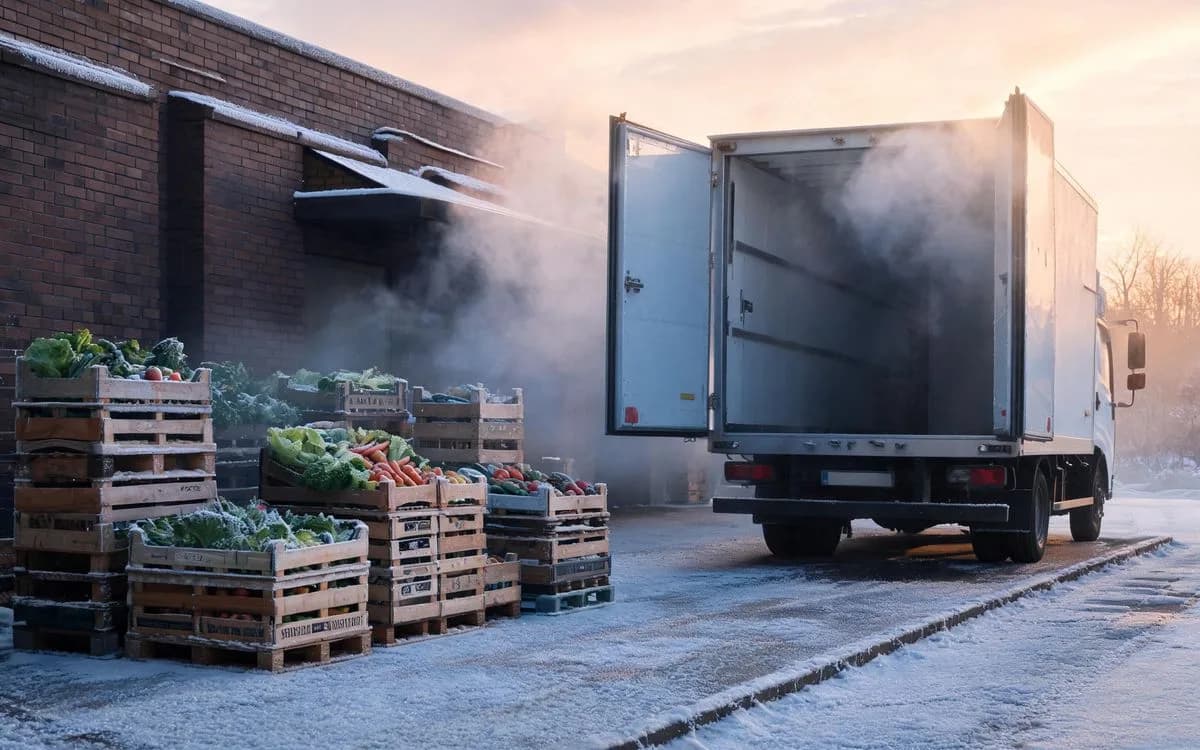
Frost is no ally of your chiller. Partial freezing, freeze-thaw cycles, cold store rooms and a breakdown over the holidays - what to change for winter.
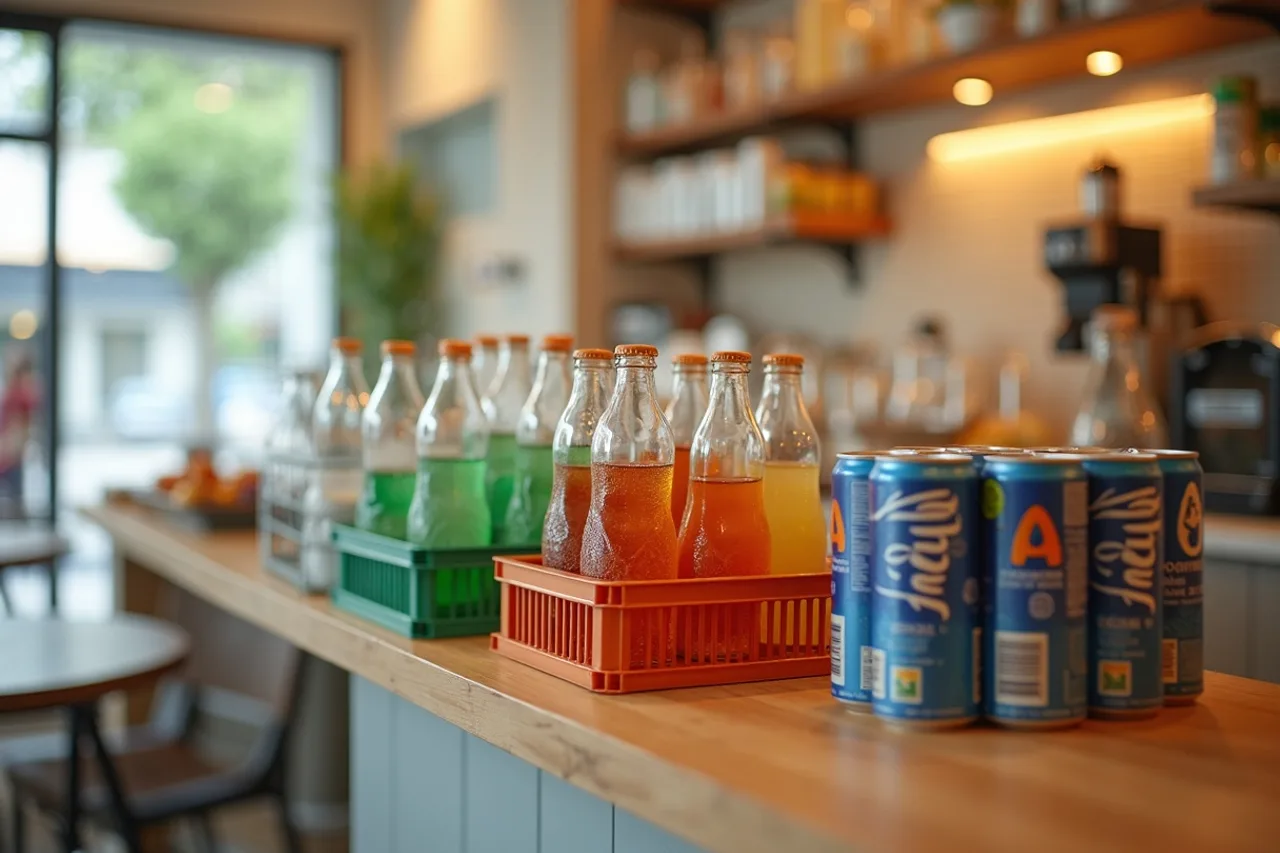
How Poland's deposit return system works for restaurants and cafes: when to charge the deposit, dine-in vs takeaway, receipts, records and rollout.
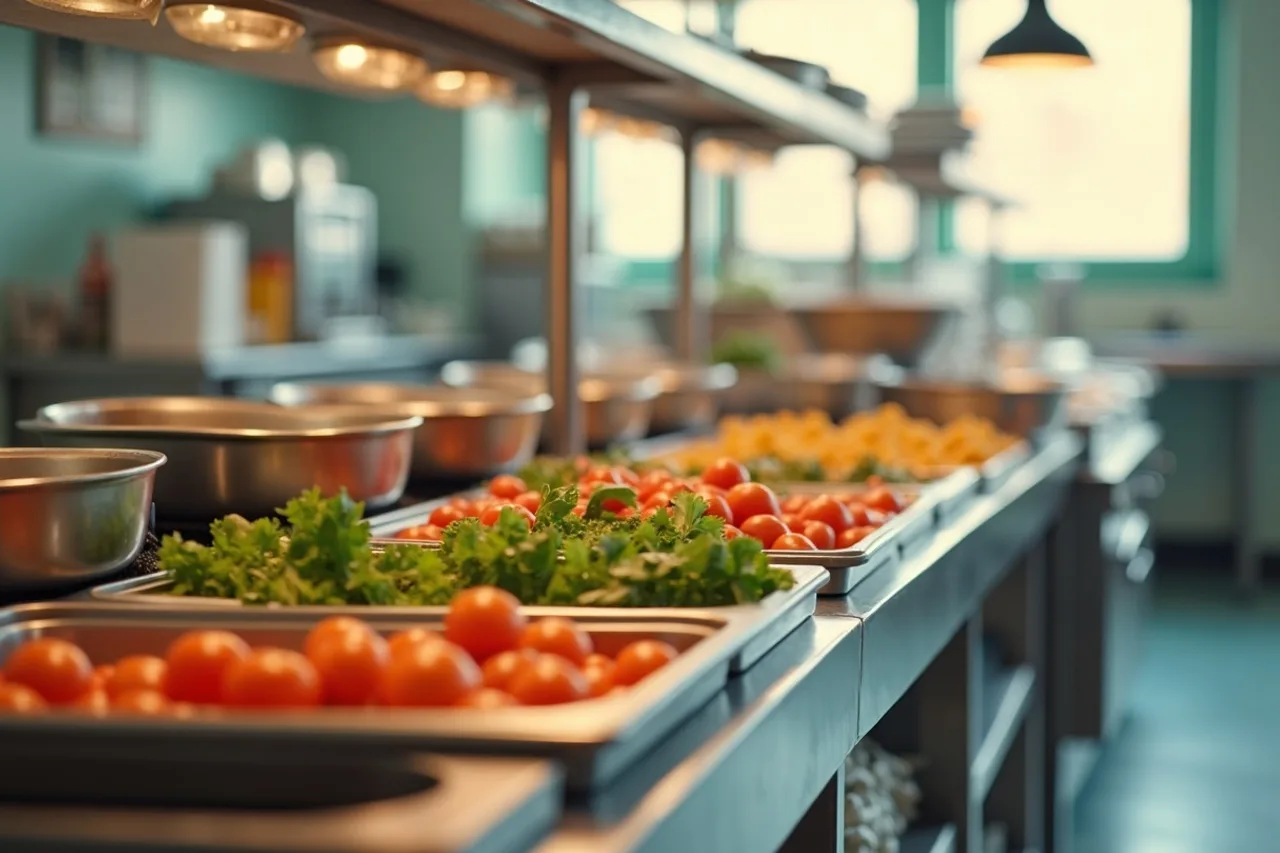
HACCP for school and preschool canteens in Poland: 72-hour control samples, allergens in menus, Sanepid requirements and working with the intendent.
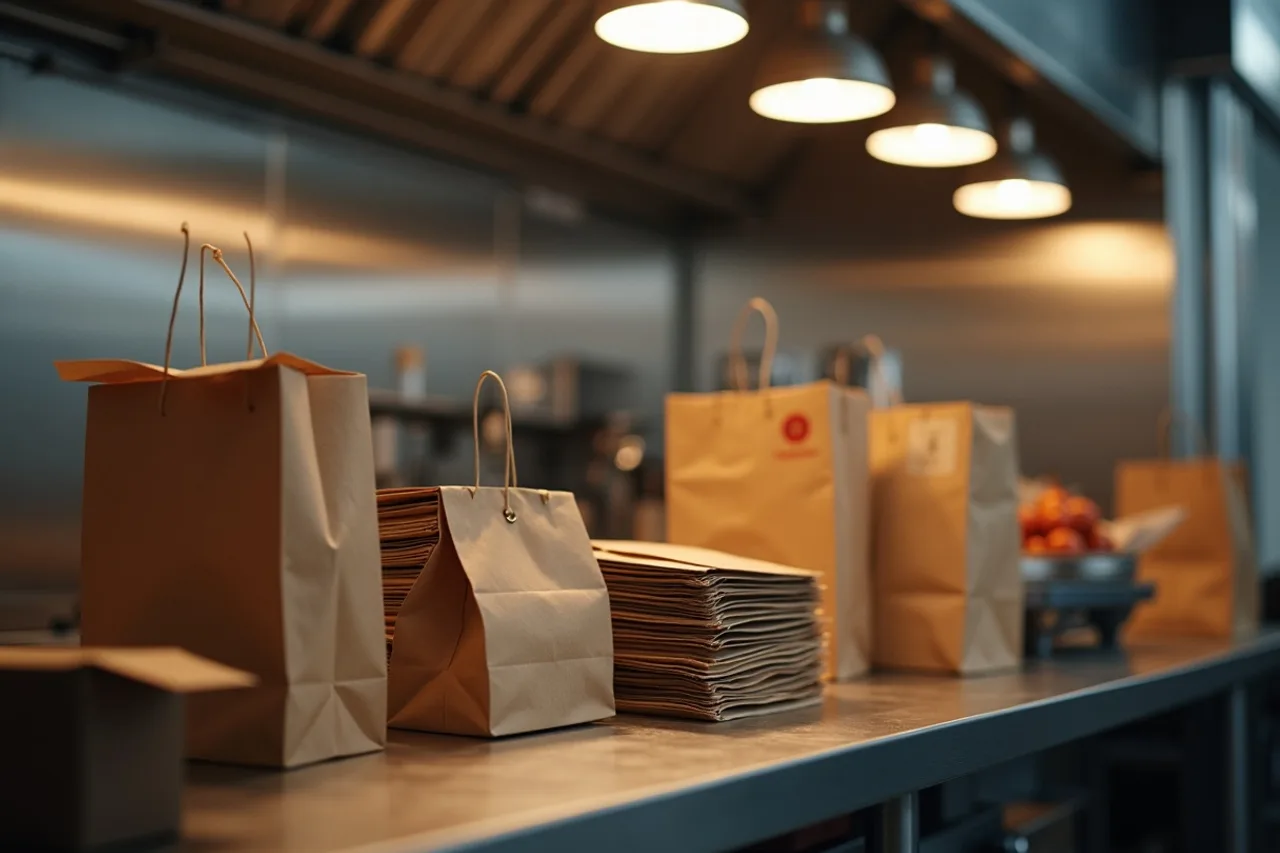
A delivery-only kitchen in Poland follows the same rules as a restaurant. Learn how to get Sanepid approval, set up HACCP and handle allergens.
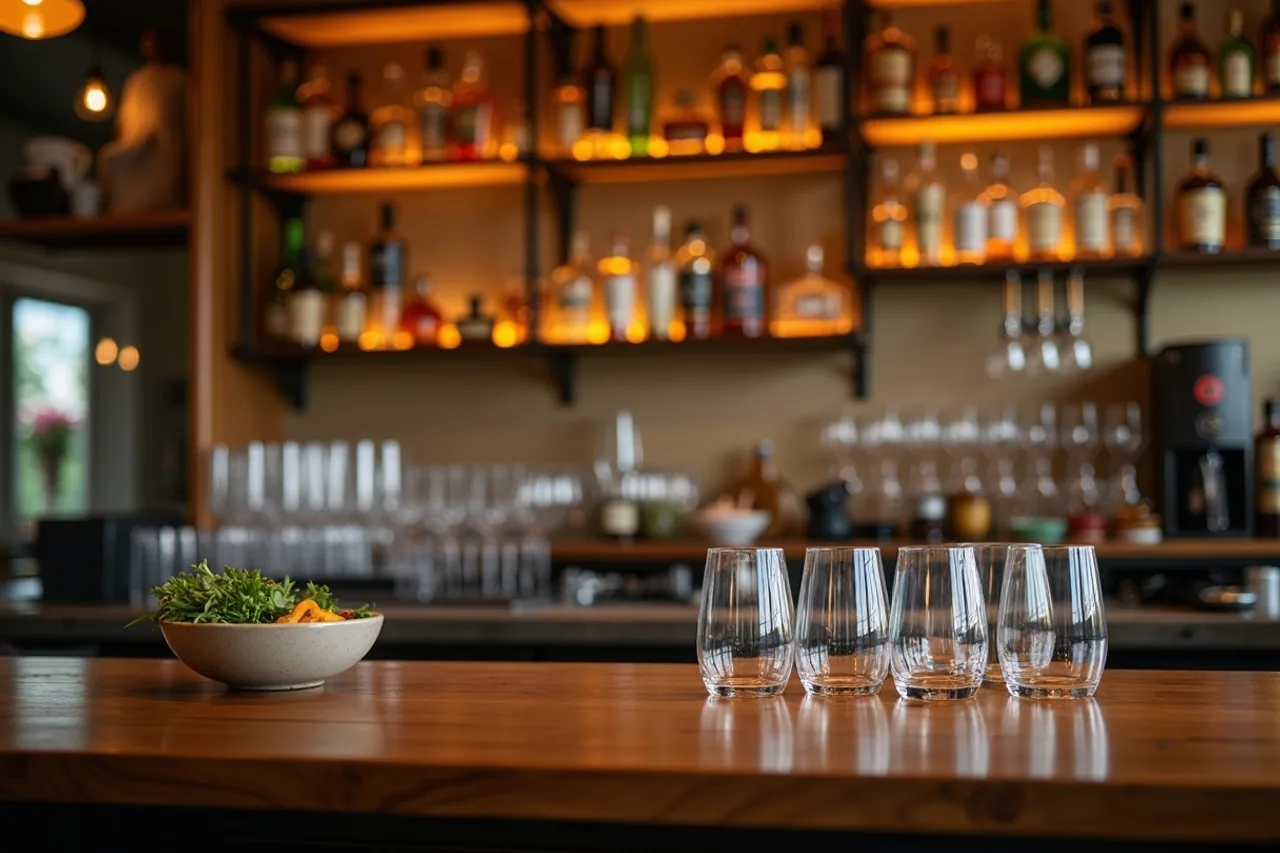
Licence types A, B and C, fees from PLN 525, the 31 January declaration and instalments. How to obtain and keep an alcohol licence in Poland in 2026.
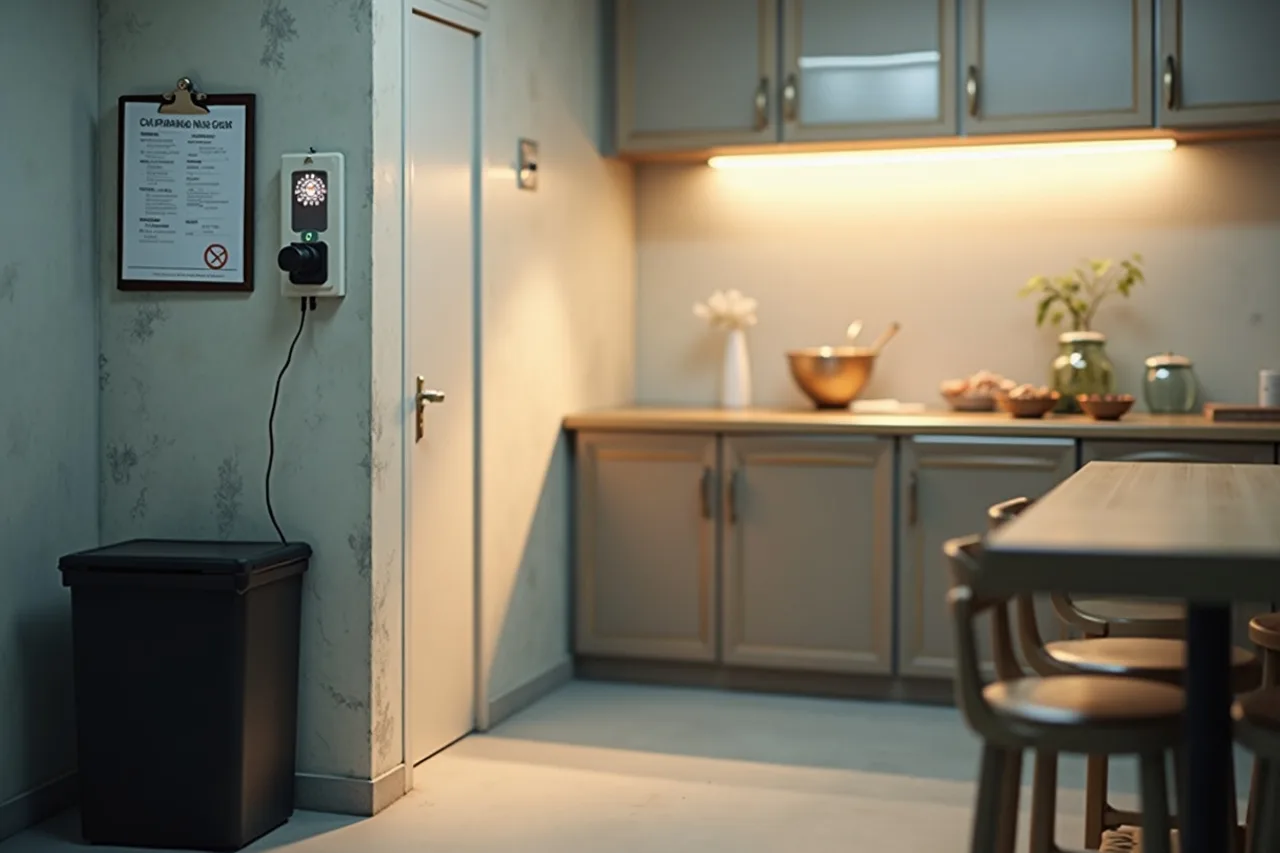
Pest monitoring in a foodservice business: legal duty, bait stations, insect light traps, DDD records and when to hire a pest control company.
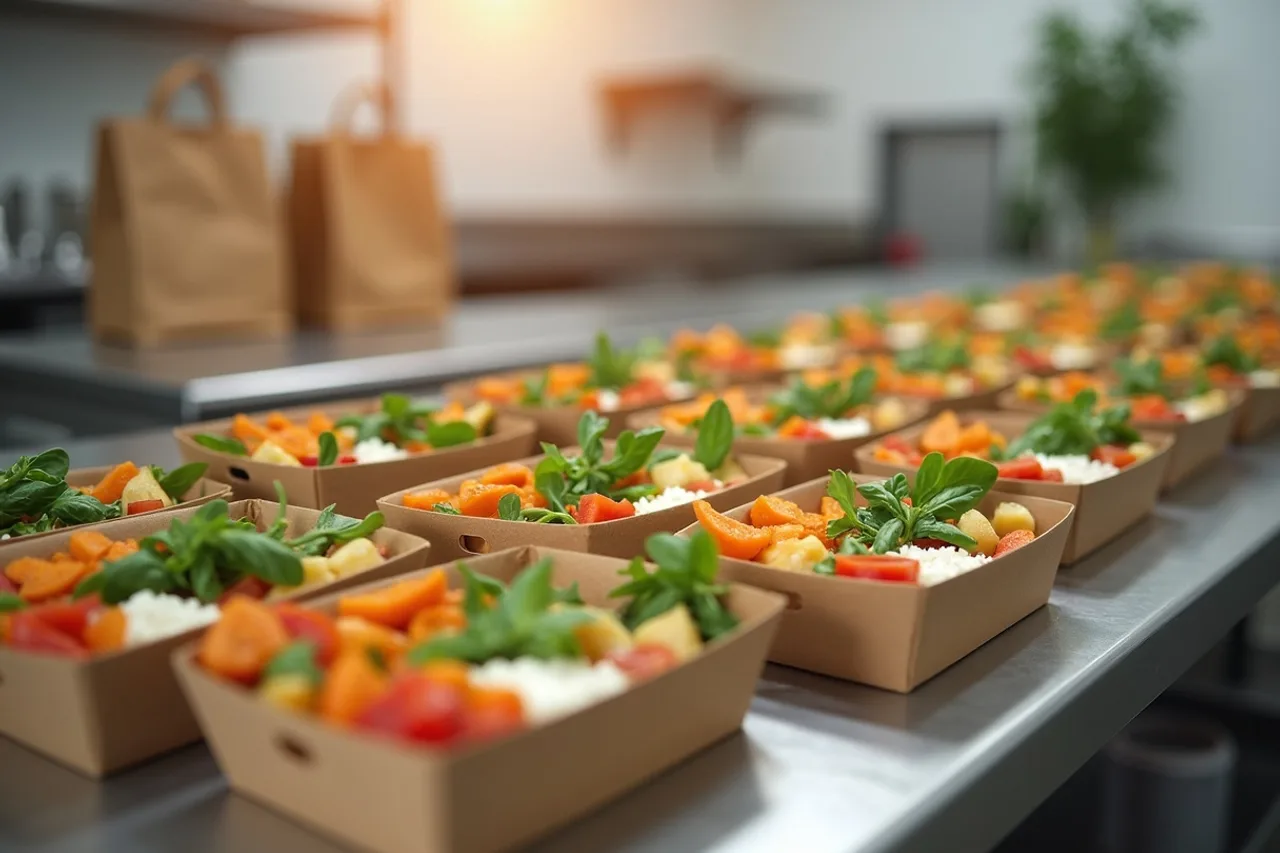
Meal-prep catering counts as open collective catering in Poland: HACCP for batch production, labelling and nutrition data, cold-chain delivery, samples.

Alcohol included in the ticket price is still a sale. Permits, cooking ahead, staff hired for one night, and allergens with a fixed menu.
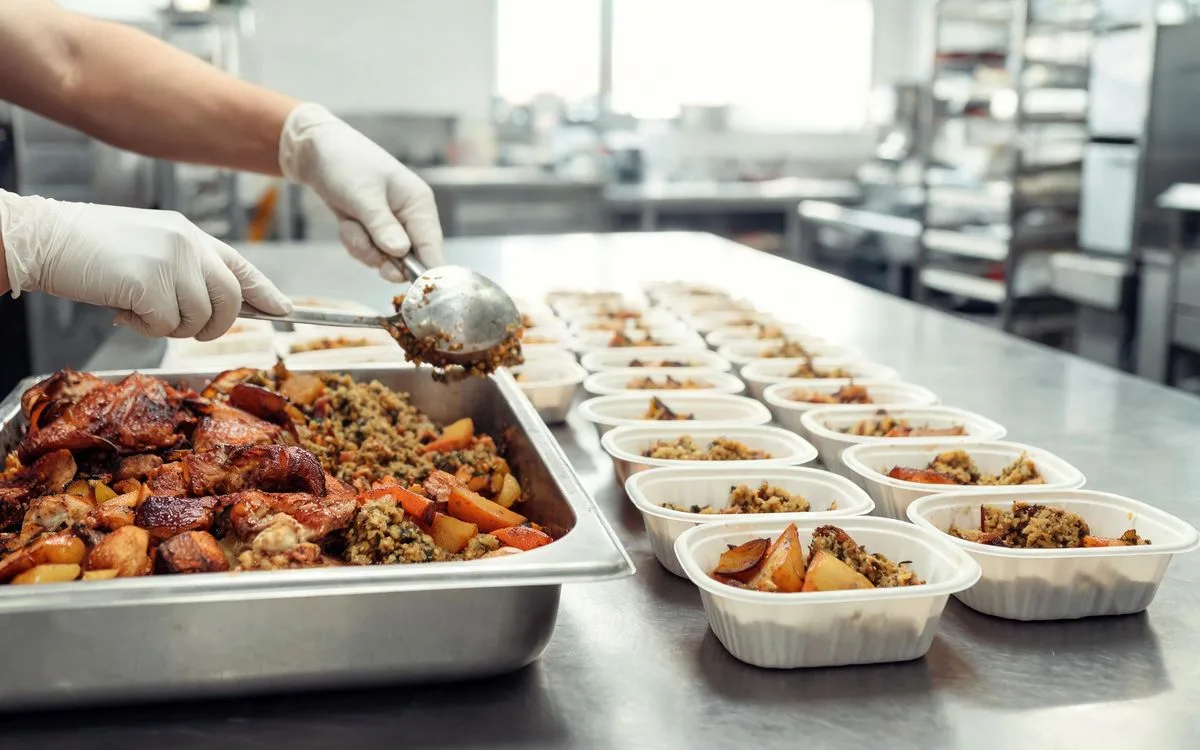
Who actually has the duty to take control samples, where HACCP breaks when production triples, and how to divide responsibility after delivery.
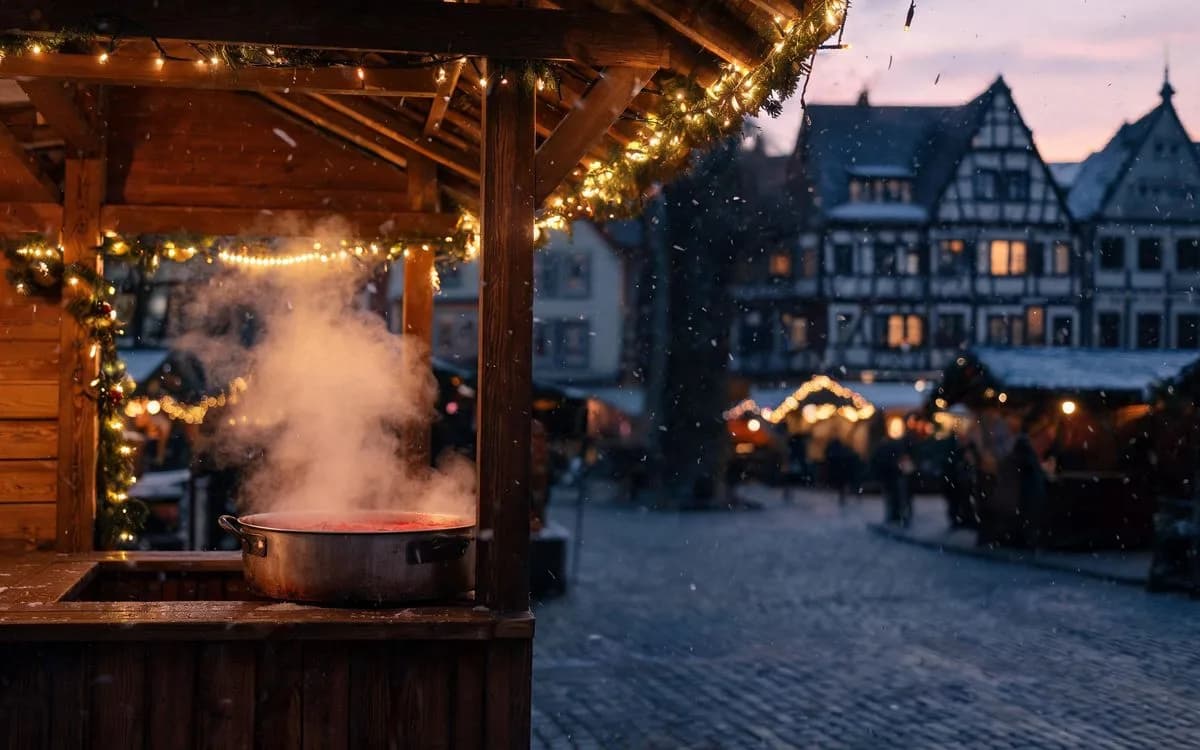
A one-off alcohol permit lasts 2 days while the market runs for weeks. Registering the stall, water below zero, and temperatures in the other direction.

A legal requirement since 2021 that you cannot buy as a form. The four areas of Chapter XIa and the concrete set of records that demonstrate them.
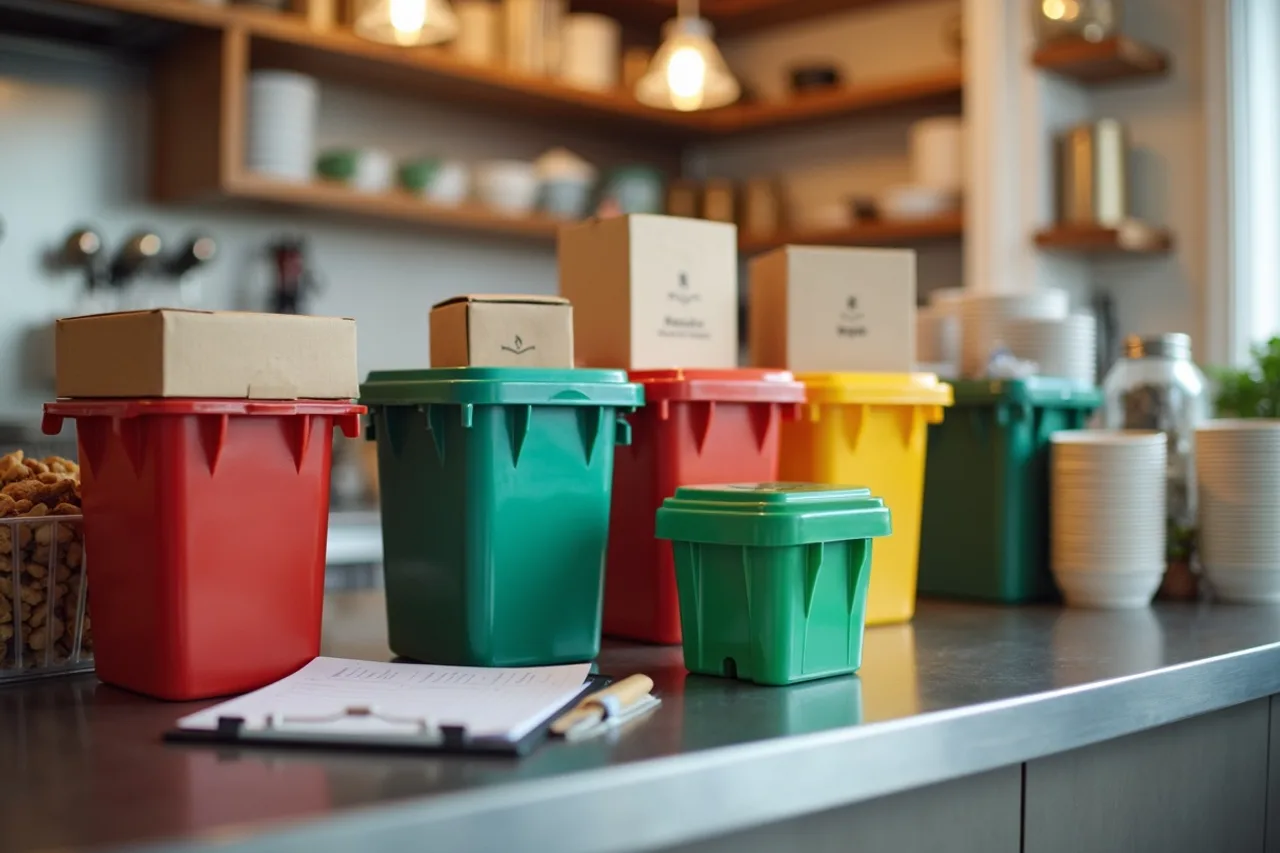
BDO duties for foodservice in 2026: register entry, waste records, the SUP report and packaging fees. See who must comply and what fines you risk.
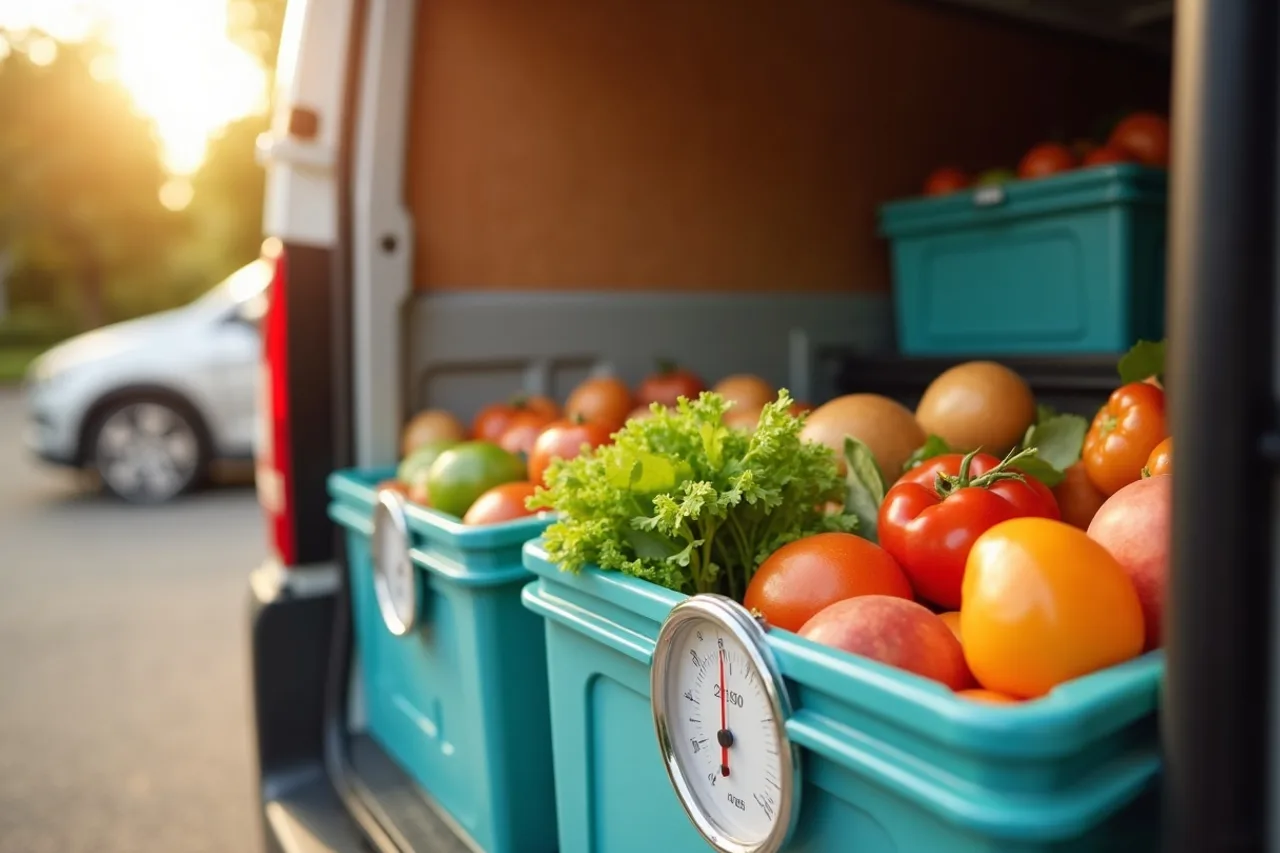
In summer the cold chain breaks most easily. See where the weak links are - delivery, storage, display, transport - and grab a simple temperature log template.
A low risk category is not five years of peace. Where the category comes from, what "no more often than once in 5 years" really means.
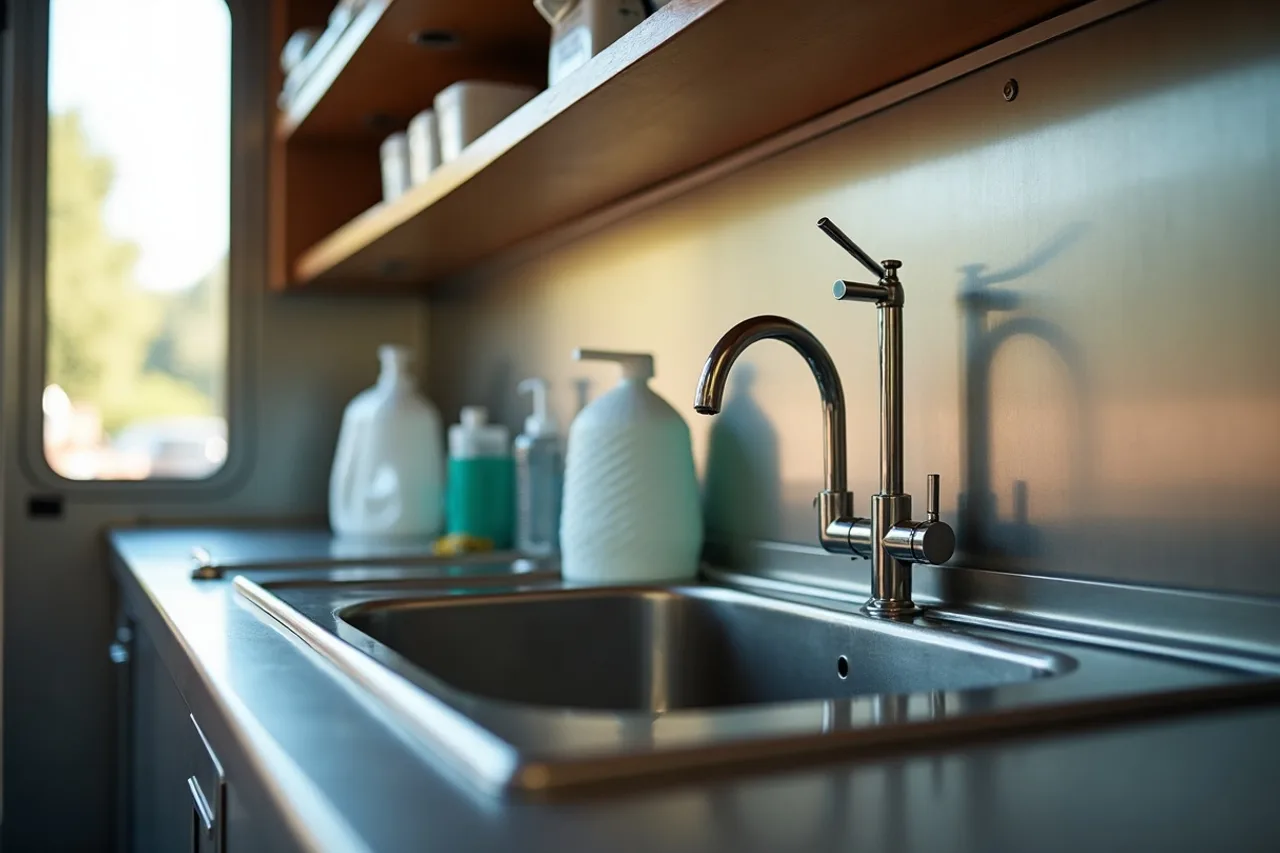
Water is the number-one reason food trucks fail inspection. Two tanks, hot water for hands, a separate basin - see how to get the setup right.

Event season is the best time for a food truck - and the easiest to slip up. Learn how to handle permits, water and HACCP that travels with the vehicle.
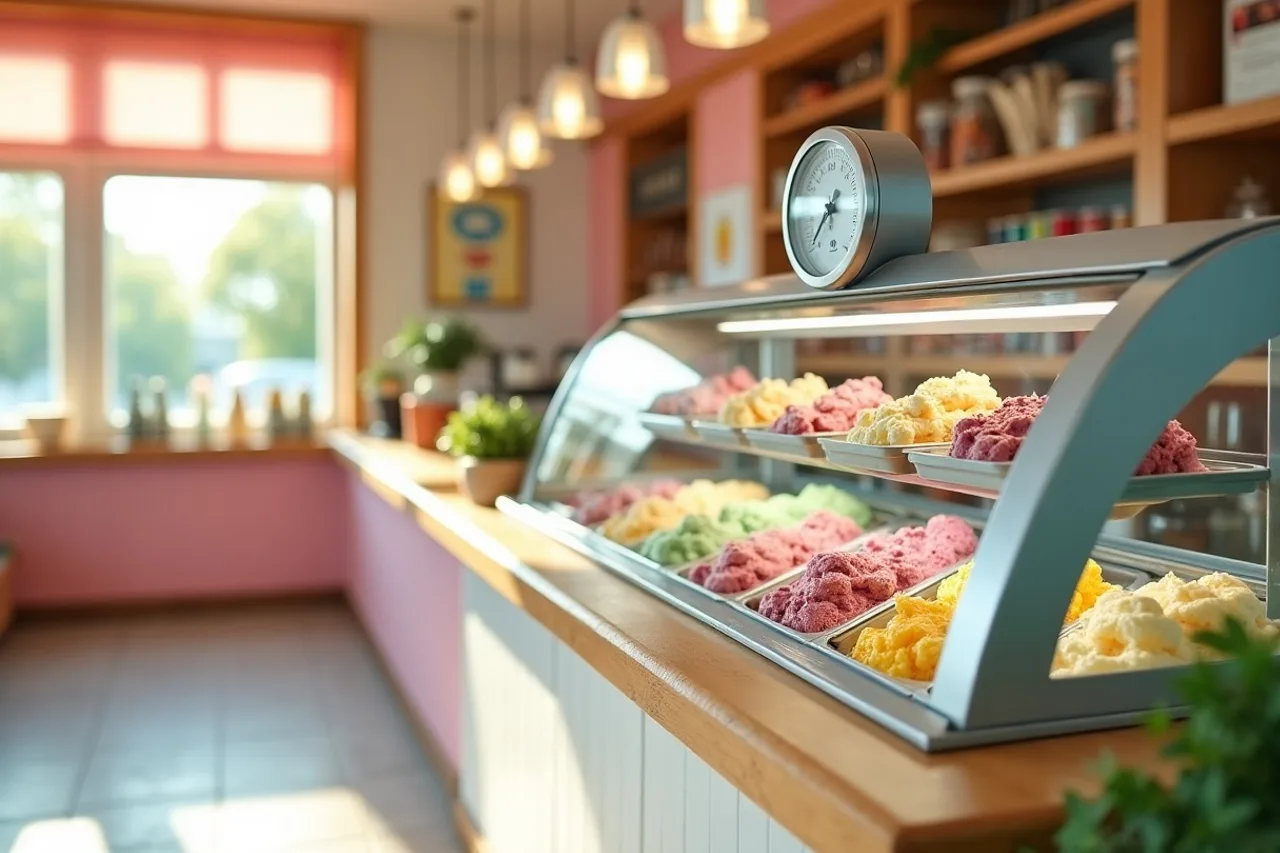
Summer is peak inspection season for ice cream shops. Find out what Sanepid checks, where the Salmonella risk hides, and which mistakes end in a fine.

With soft-serve, the biggest hazard is the machine itself. See how to clean and disinfect it with disassembly, control the mix, and what to log.

An ice cream shop's HACCP rests on pasteurisation and the cold chain. Learn where the CCP sits, which temperatures to watch, and how to trace batches.
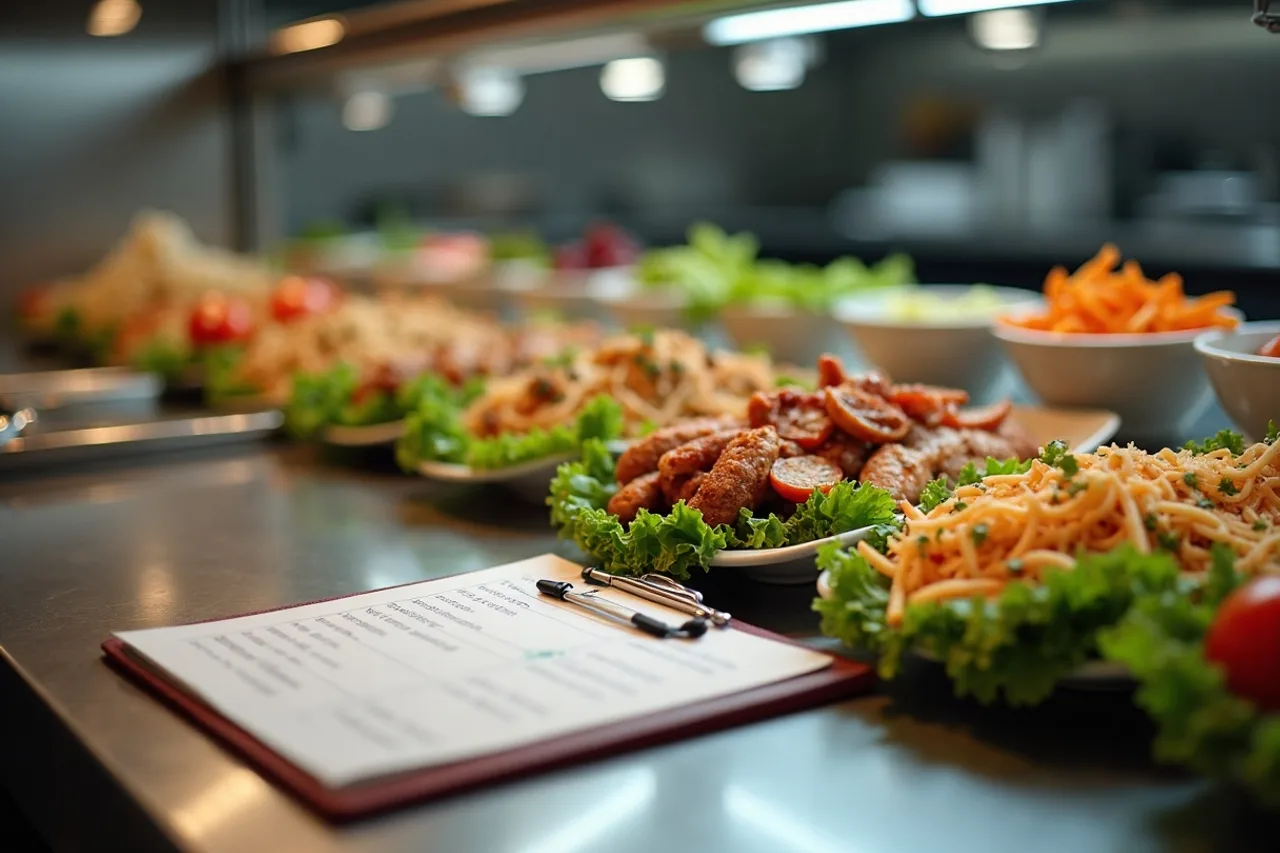
Rotisserie, sauces, basin, slicer, records - seven things kebab shops fail on during a Sanepid inspection. Learn how to avoid each one.
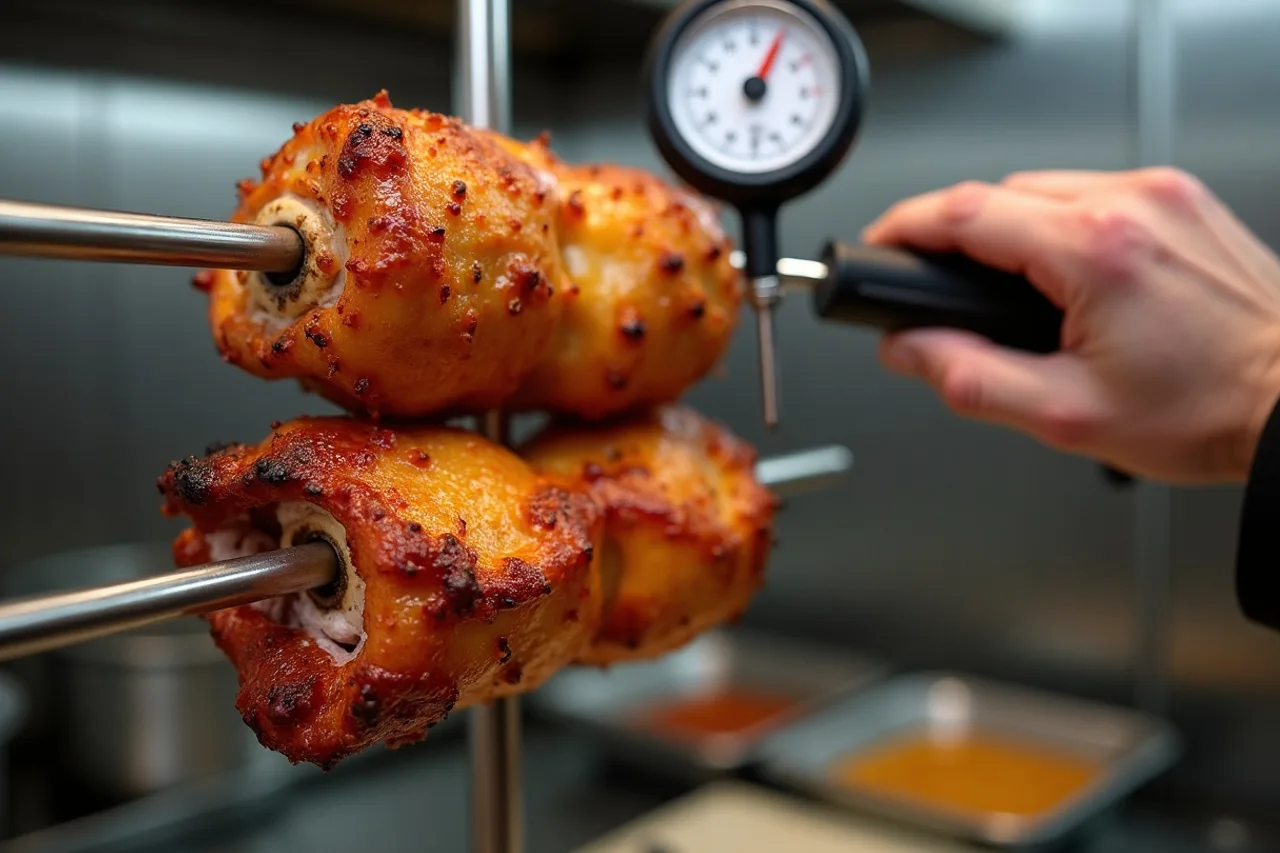
A kebab shop's whole HACCP revolves around the rotisserie. See where the CCP sits, what temperature to reheat meat to, and what to actually log.
From CEIDG through the premises inspection to HACCP documentation. See what to arrange, in what order and how much opening a kebab shop legally costs.
What Glovo, Pyszne and Wolt report to the tax office and when. See how to reconcile platform data with your tax return - gross vs net, cash register.
What KSeF really changes in restaurant invoicing and when the obligation hits your venue. Grab a weekend prep checklist and get ready in two days.
Regulation 1169/2011 has applied unchanged since 2014 - there was no March 2026 amendment. Check the real requirements and 4 common menu allergen myths.
What PPDS means for packed sandwiches, salads and desserts in small foodservice. Check the 2026 status in Poland and avoid the common labelling mistakes.
Free, straight to your inbox
Ready to print in A4 and A3. All 14 allergens subject to mandatory information, laid out so the whole kitchen can read it. In three languages: English, Polish and Ukrainian. We send it straight to the address you give us.