HACCP in Practice
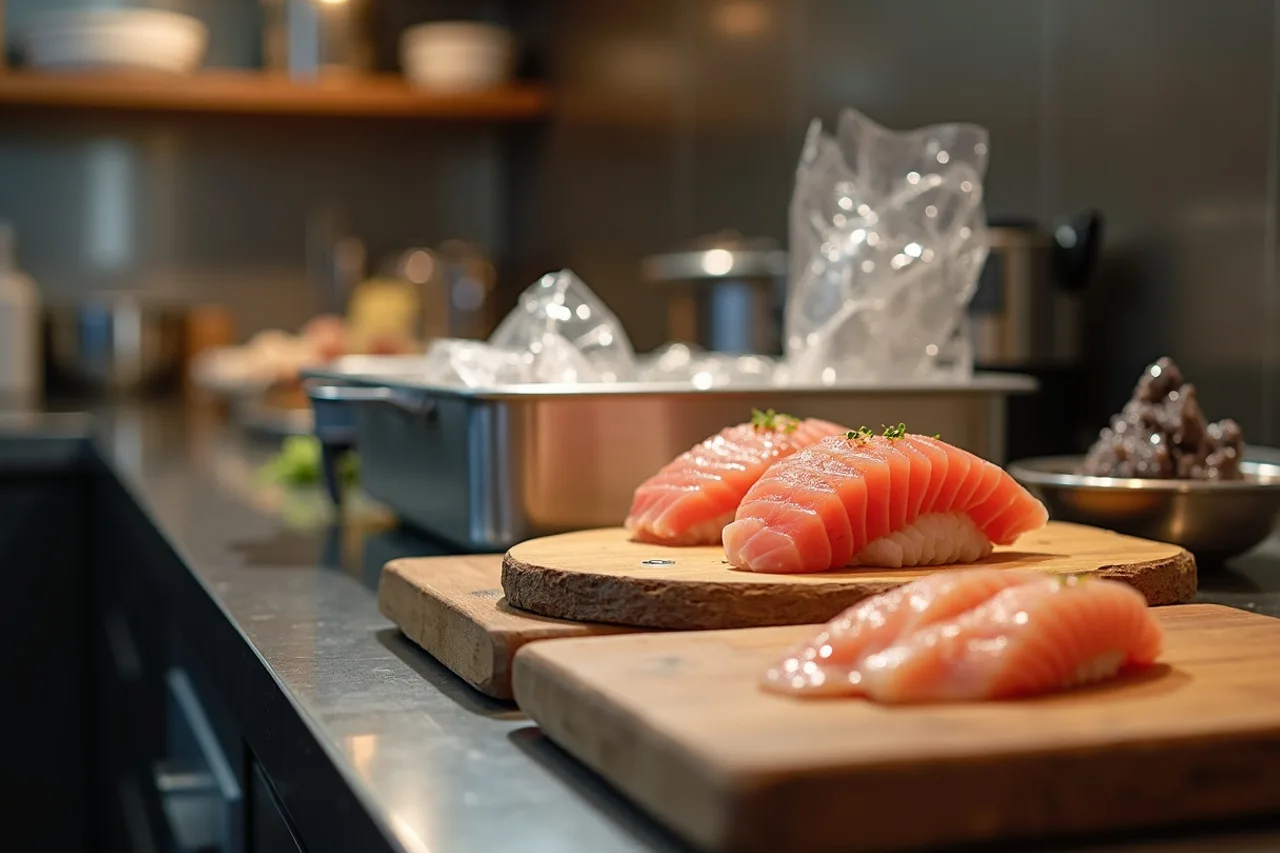
Sushi and sous-vide
Sushi with raw fish and sous-vide bring hazards that old HACCP documentation does not cover. Update your hazard analysis and CCPs step by step.
Tips on health inspections, HACCP, GHP/GMP, allergens, and documentation for foodservice owners.
Sushi with raw fish and sous-vide bring hazards that old HACCP documentation does not cover. Update your hazard analysis and CCPs step by step.

The Codex Alimentarius is the source of the original 7 HACCP principles in Polish law today. We explain where the requirements in your documentation come from.
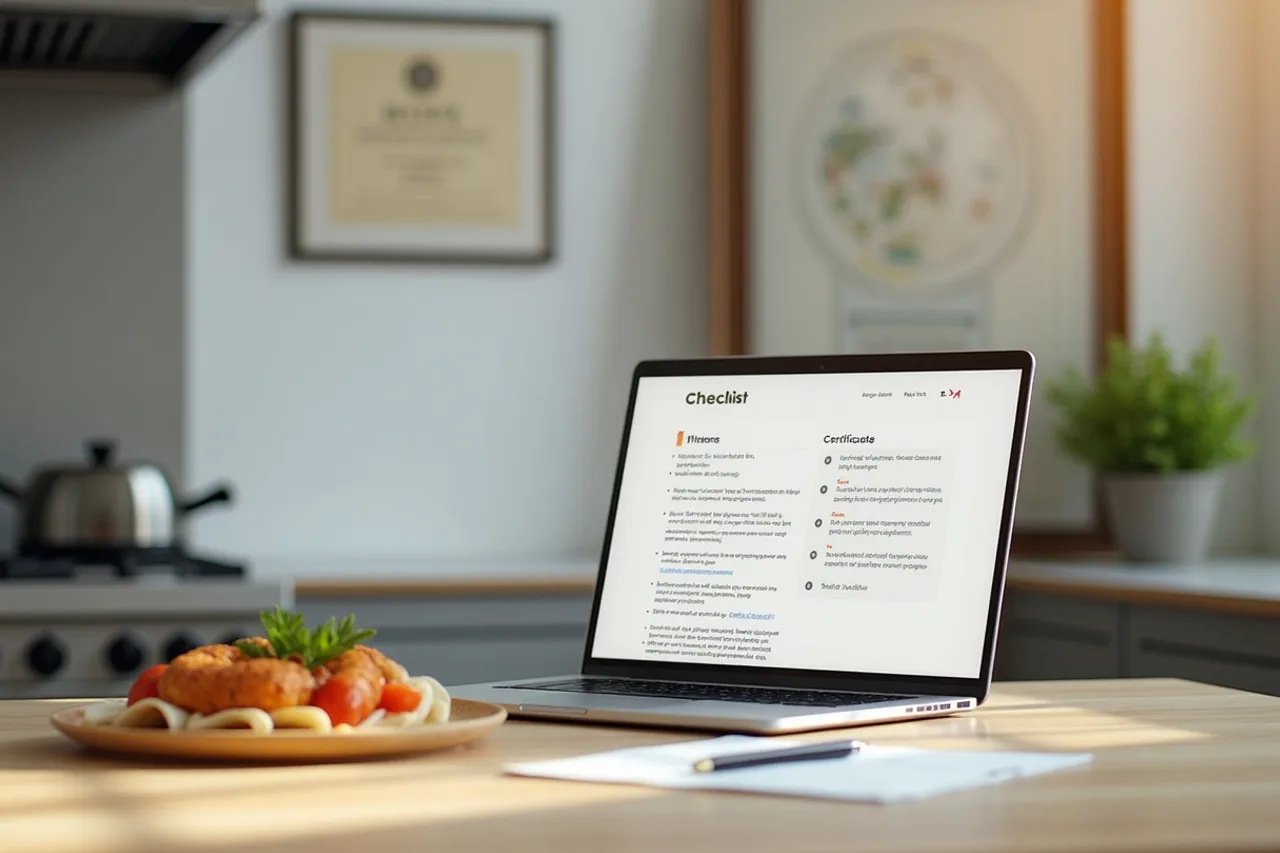
ISO 22000 does not replace HACCP, it extends it with a management system. When does certification make sense for your venue, and when is it an unnecessary cost?
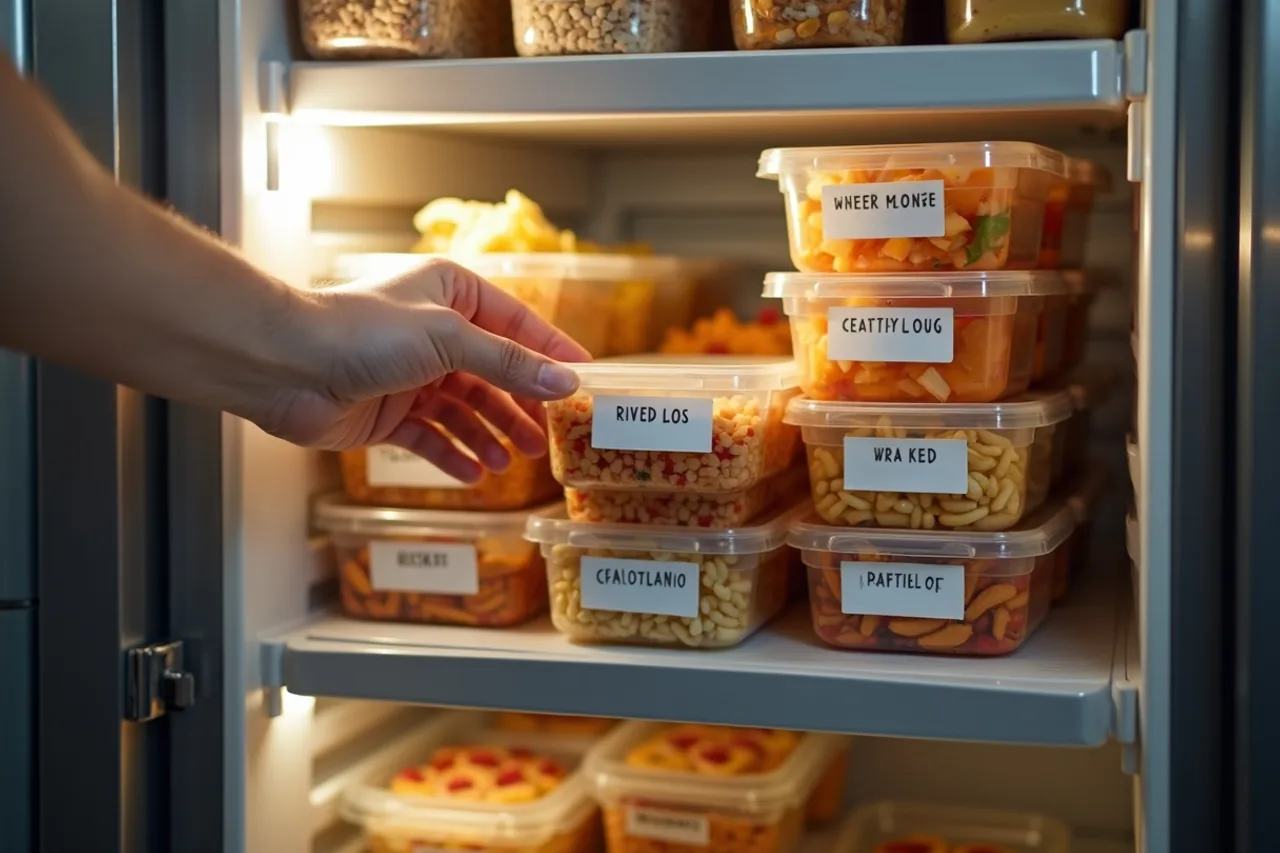
What is the difference between FEFO and FIFO, and how do you implement rotation by use-by date? Tips on making the rule work in practice, not only on paper.

The previous tenant's HACCP documentation does not pass to you automatically. What to report to Sanepid and how to prepare your documents from scratch.

Got a post-inspection decision from Sanepid? The first 48 hours, an appeal within 14 days and how to remove the cause of the deficiency, not just the symptom.
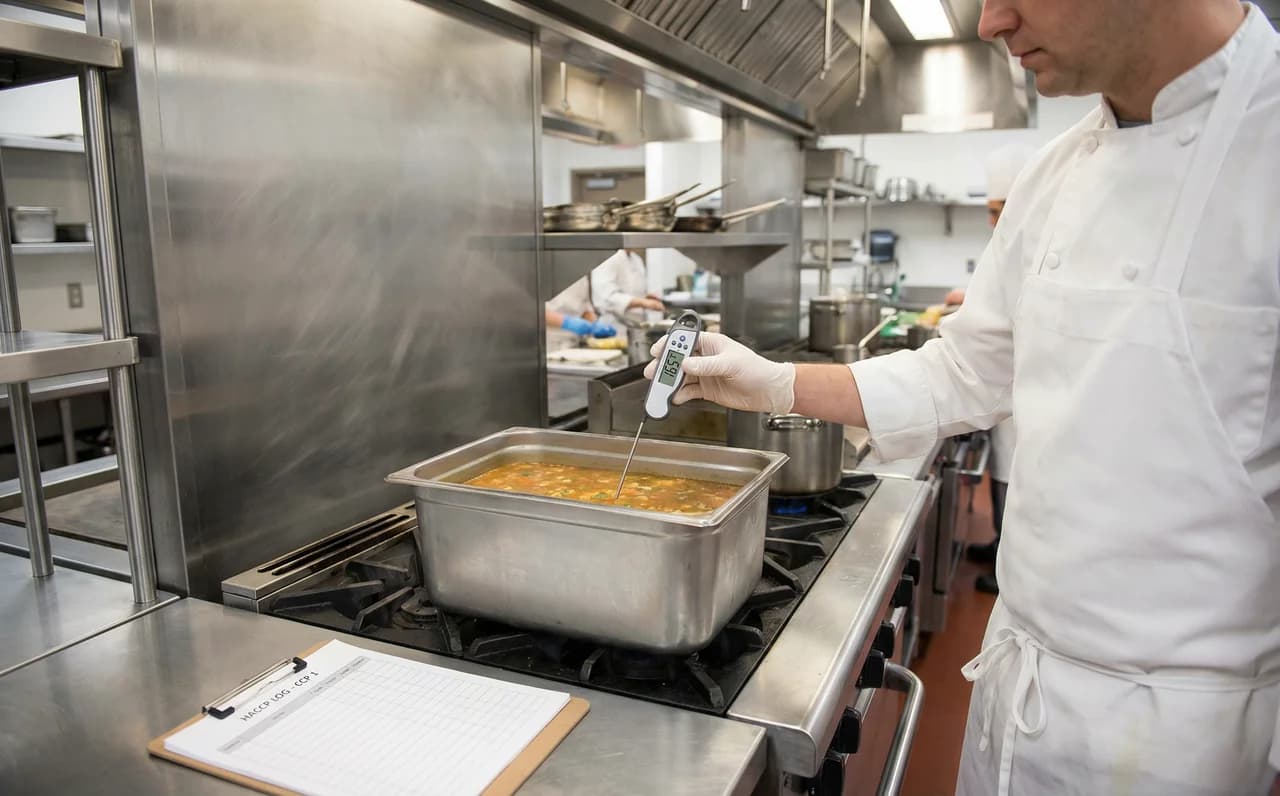
What CCPs are, how to set them in a typical kitchen and how not to multiply points "just in case". Find out where to start when designating them.
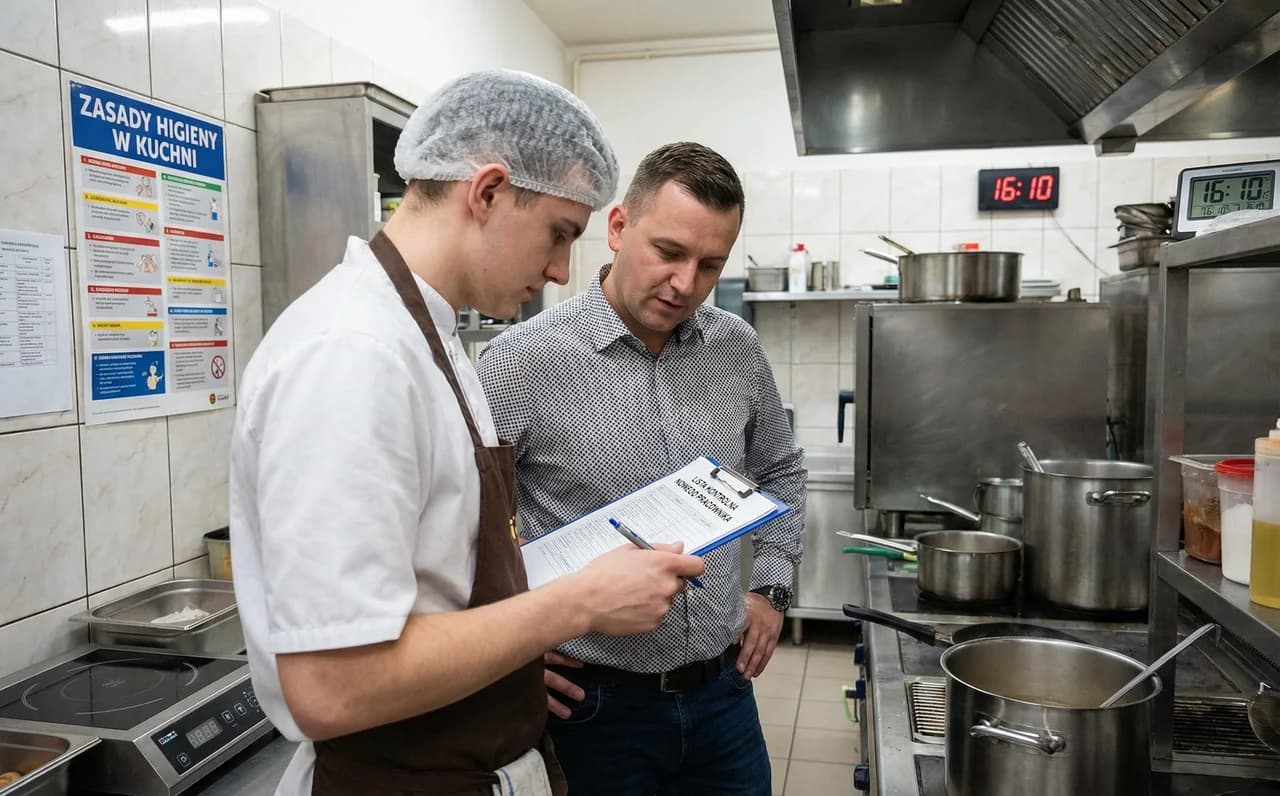
A weekly schedule for introducing a new employee to hygiene procedures and HACCP. See what should happen on each day.
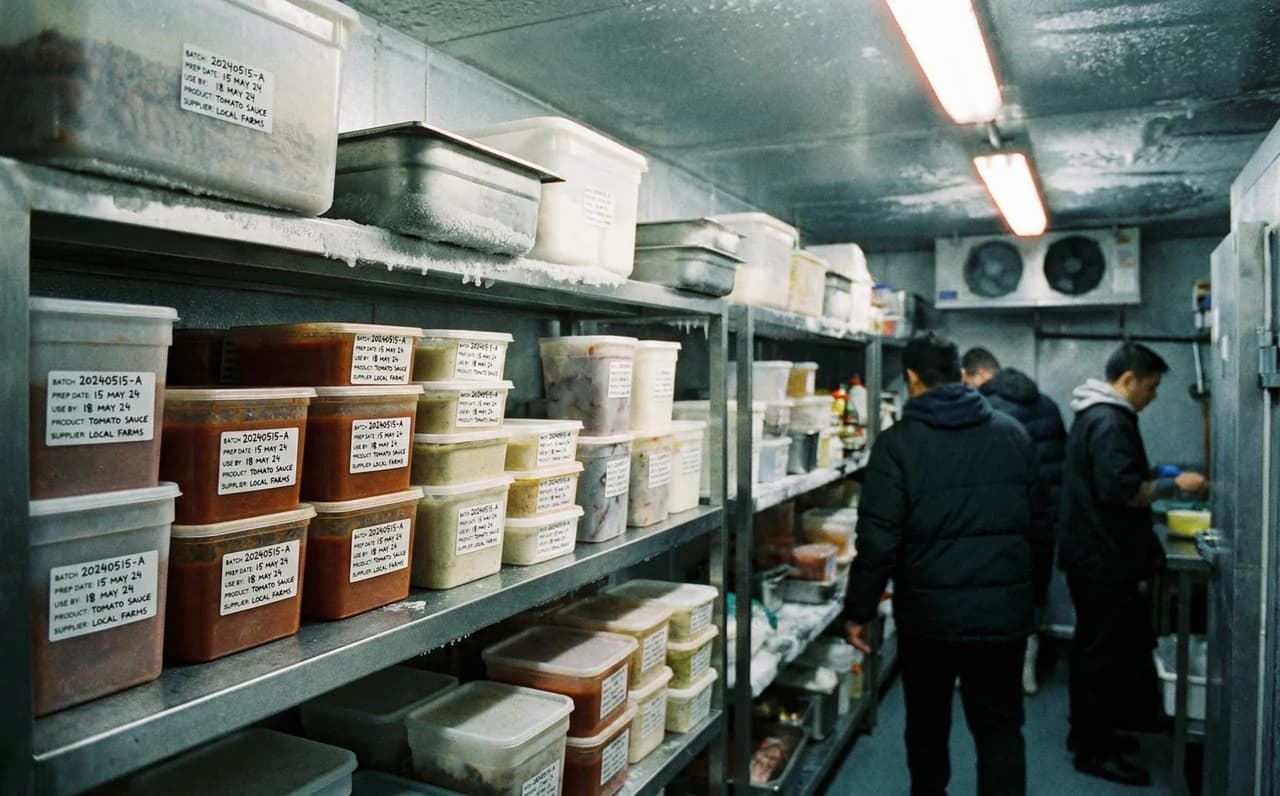
A simple system for marking batches and raw material-dish links, without burdening a small team. Learn where to start implementing it in your kitchen.
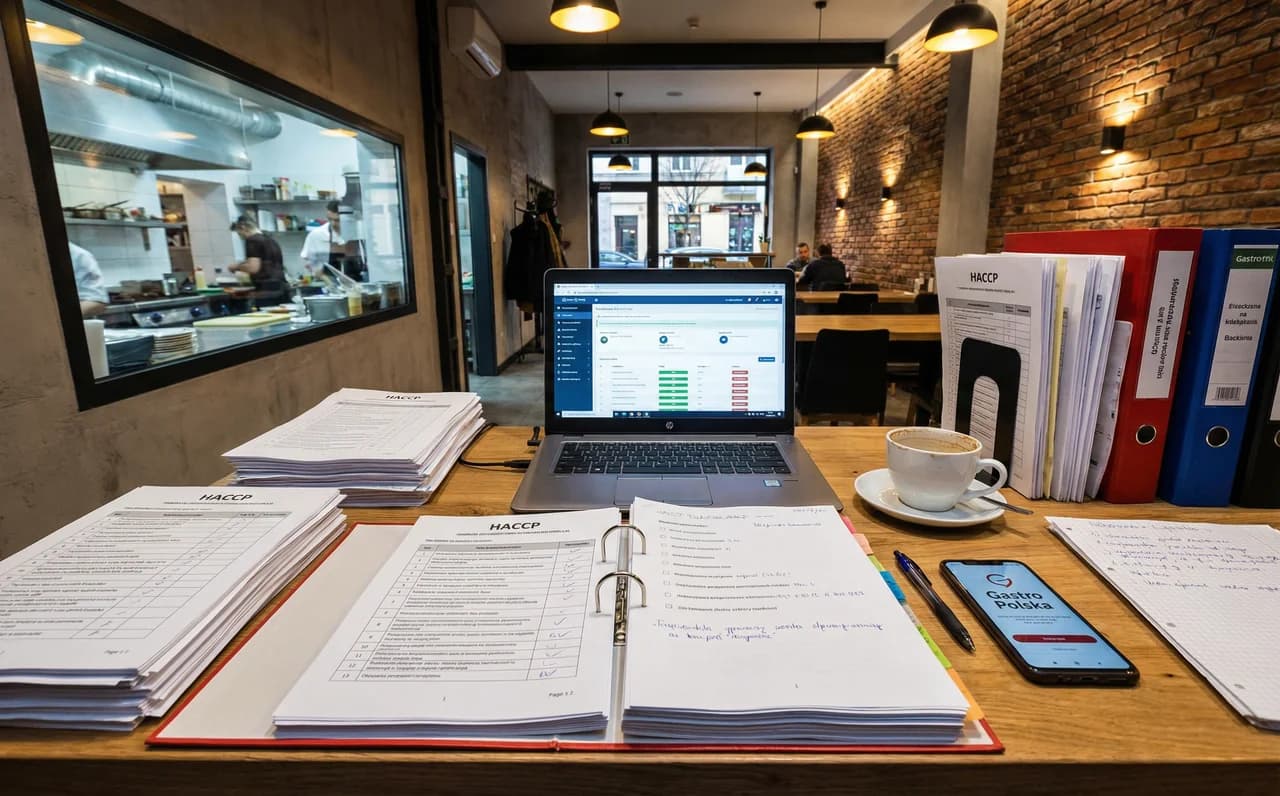
Free HACCP forms to download: what the rules say about documents, which registers are worth having and 6 signs that a ready file does not fit your venue.
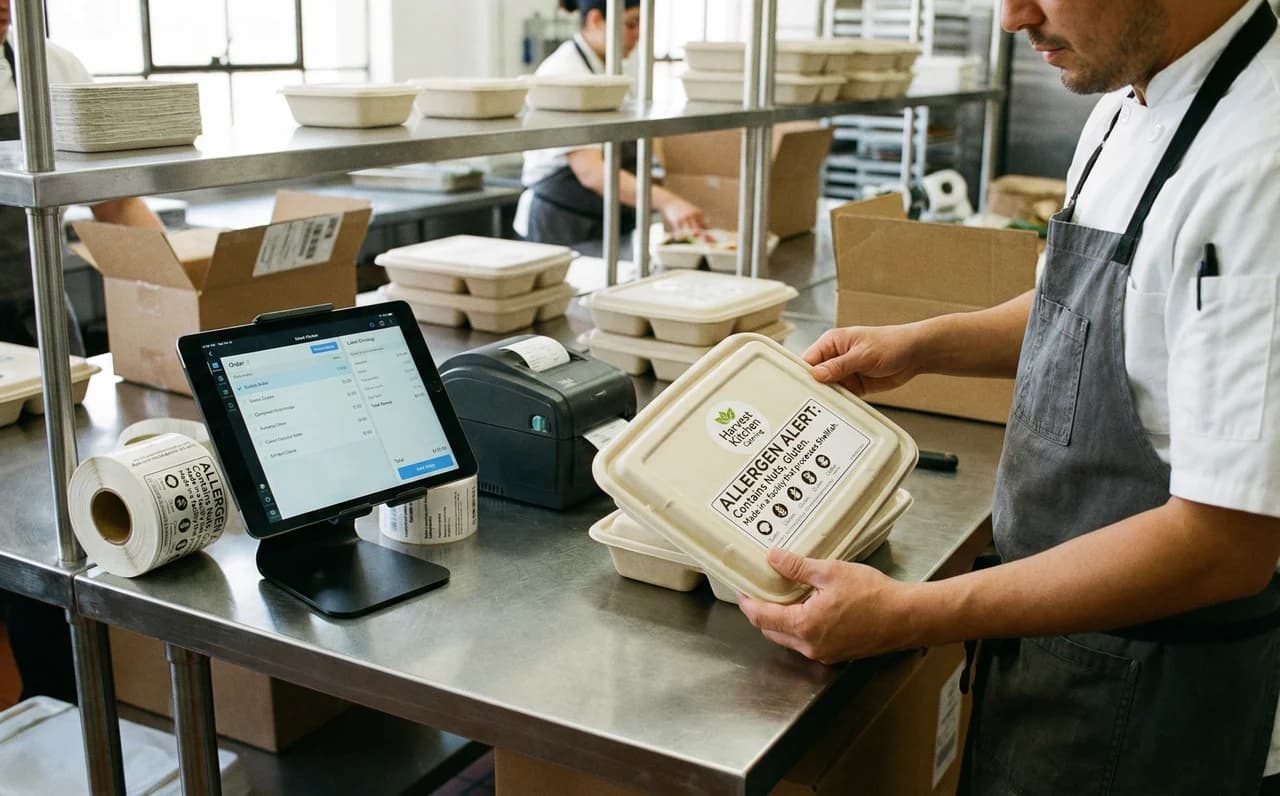
How to keep allergen information consistent from production, through the label, to delivery to the customer? A step-by-step procedure for catering.
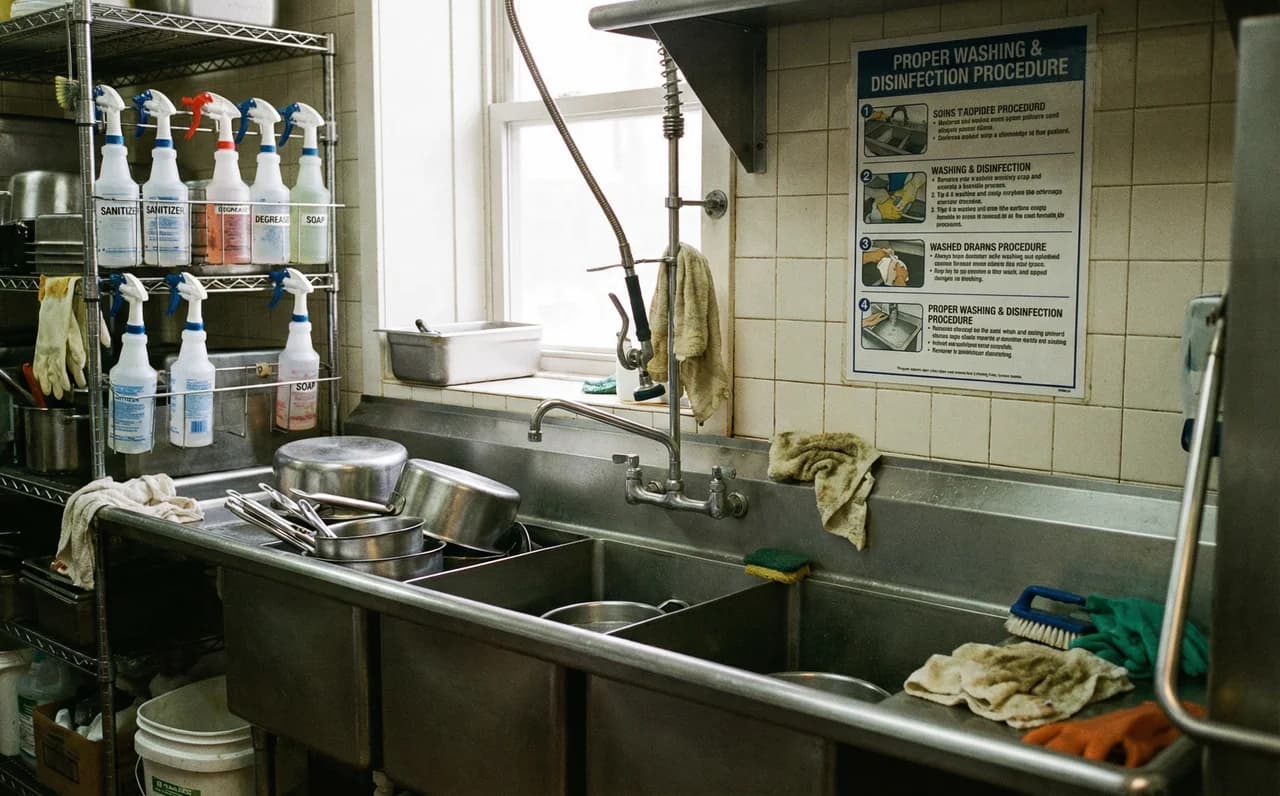
Simple rules for writing washing and disinfection procedures and cleaning schedules. See how to write them so that your team really follows them.
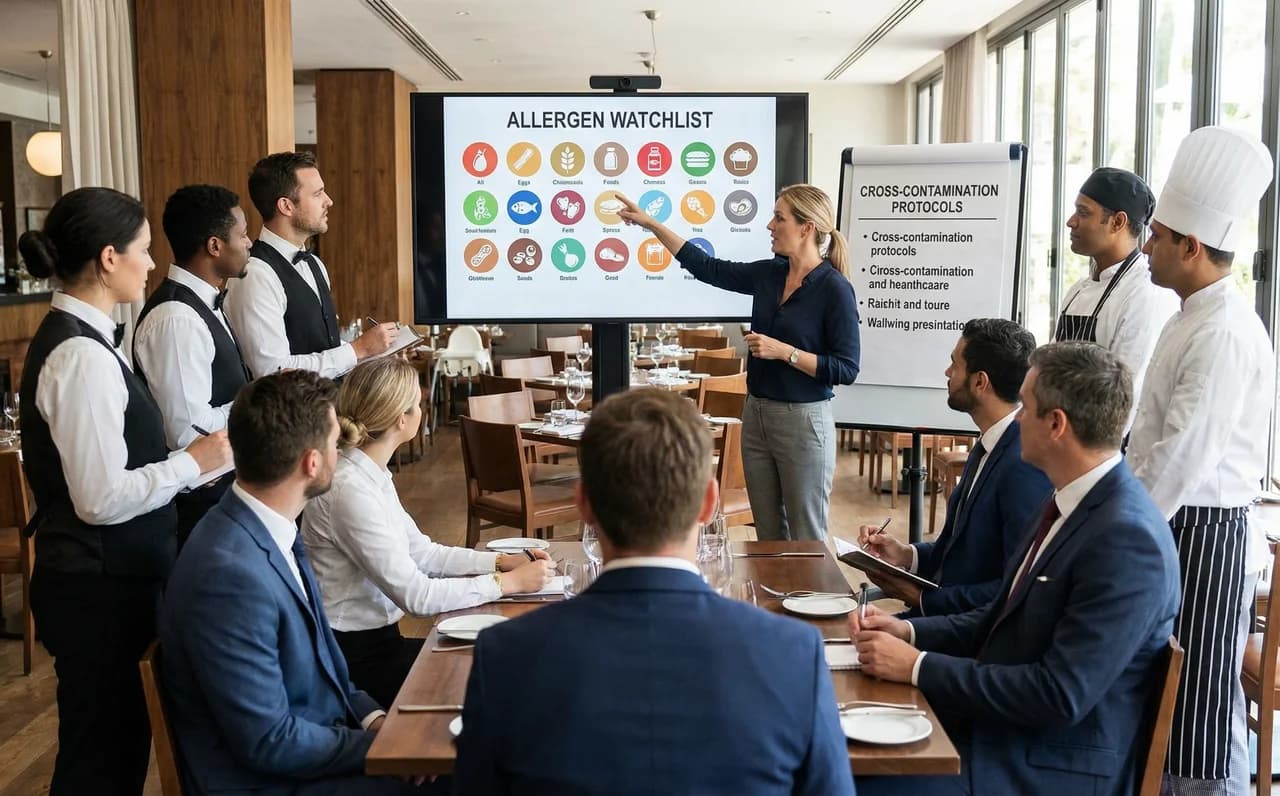
A 45-minute allergen training script: a plan, a 12-question knowledge test and a certificate to print. See how to document the team's training.
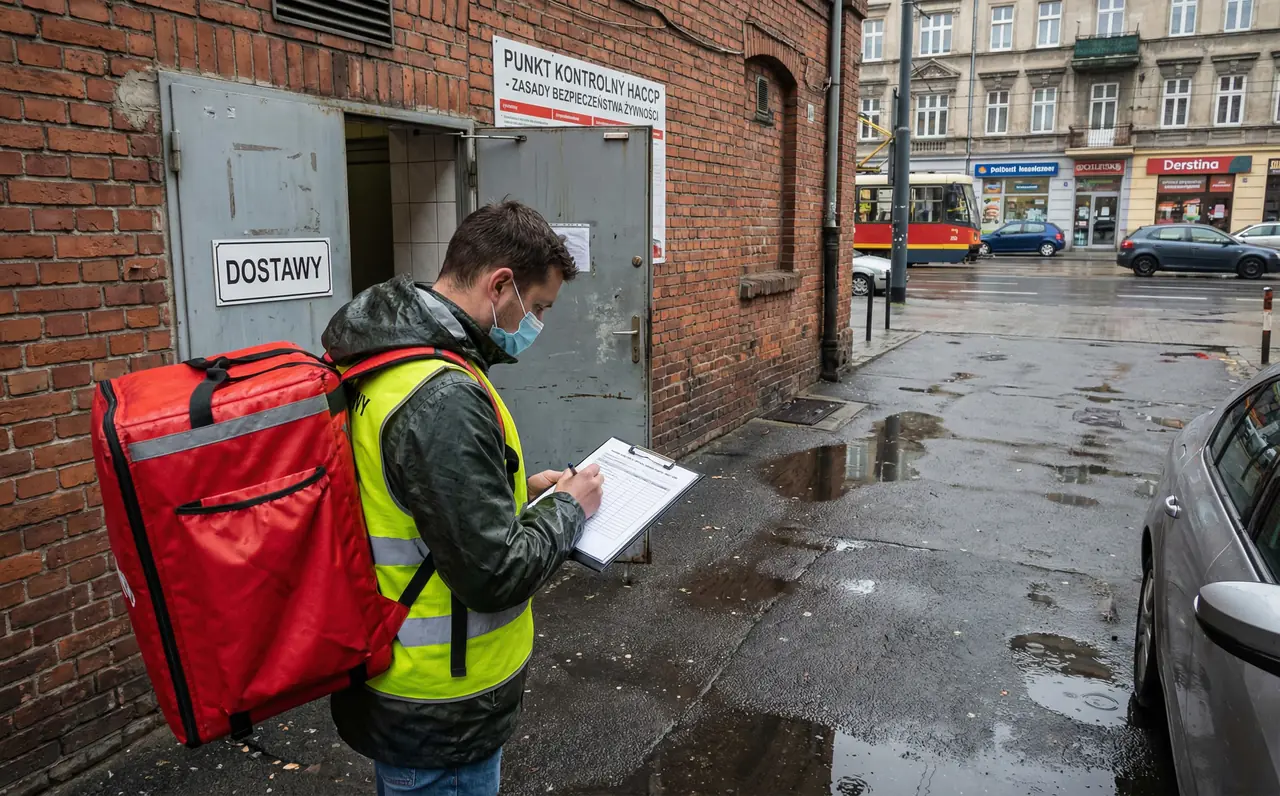
How to carry out a hazard analysis for an operation with delivery and what to watch especially closely. A practical example laid out step by step.
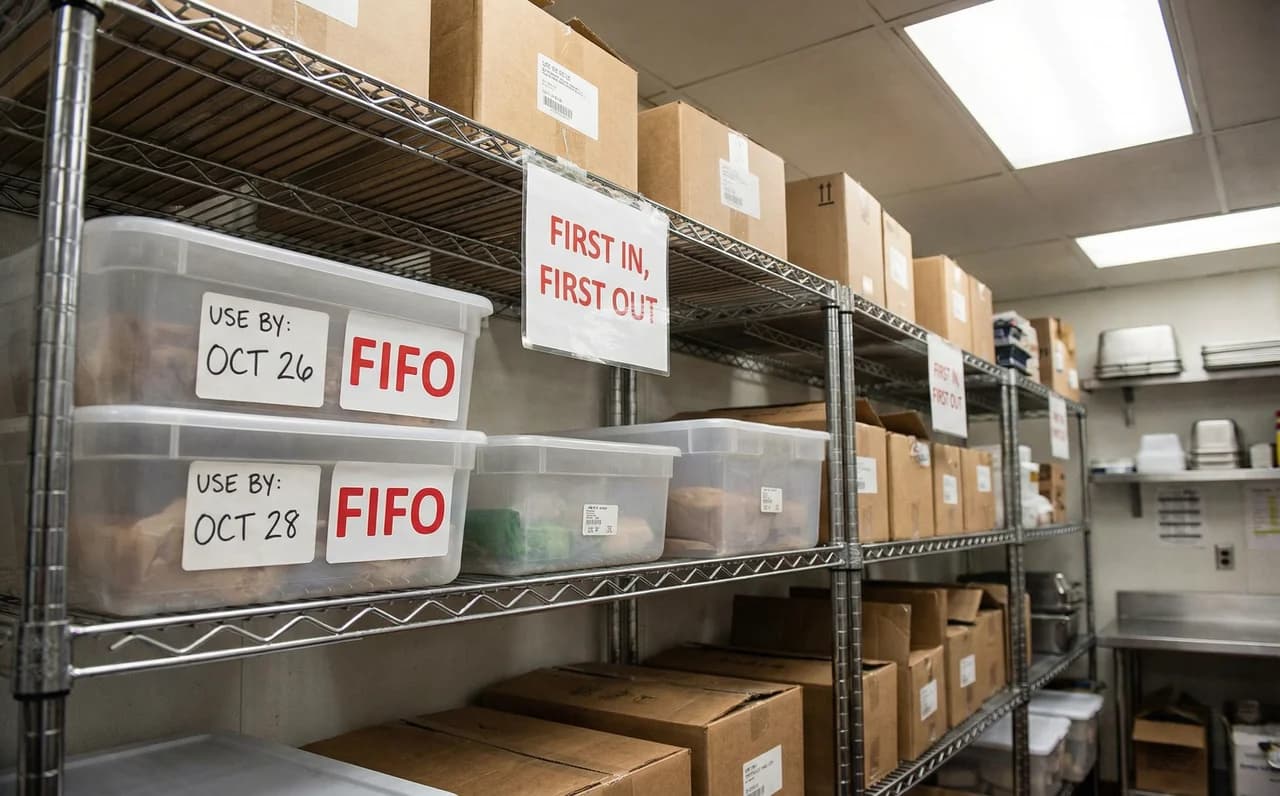
Designing registers and instructions so that new employees quickly get into the system without gaps. Find out how to simplify your documentation.
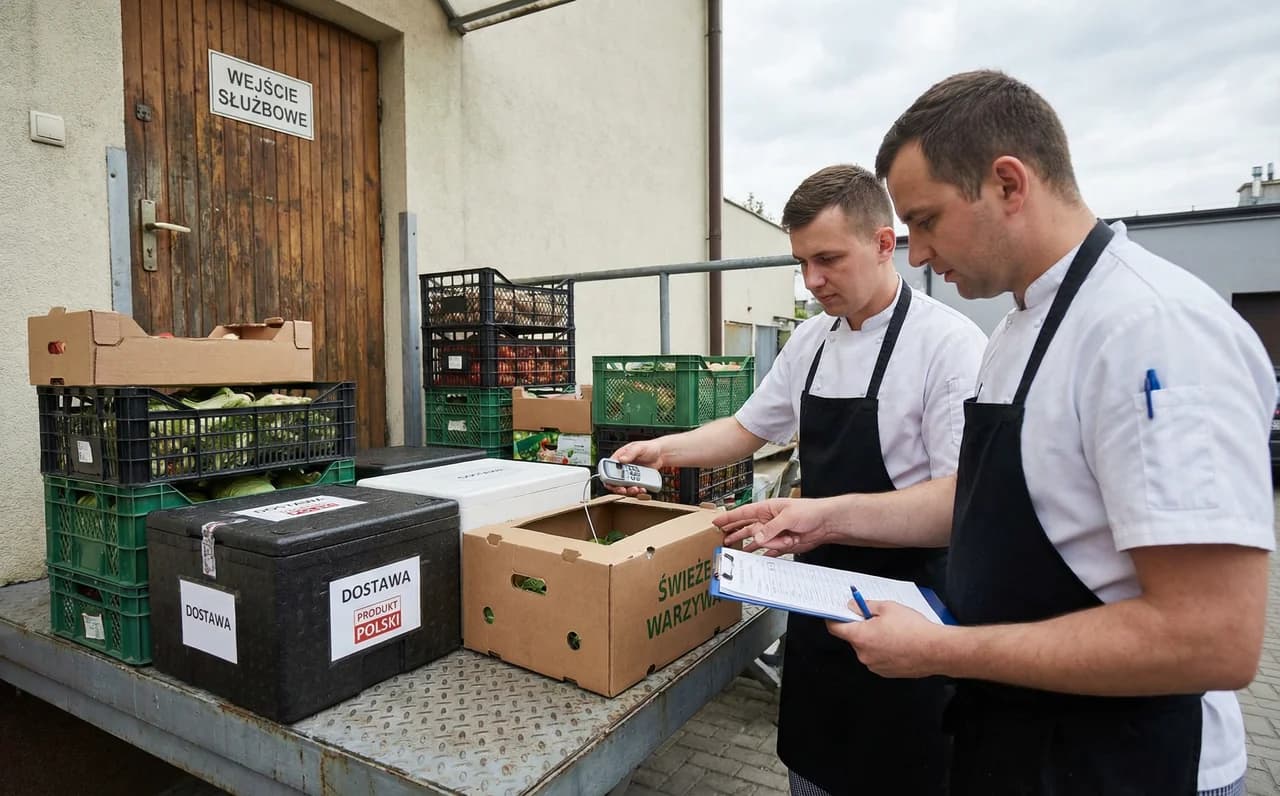
What to check when receiving a delivery and how to document it so that you do not fall foul of the inspector. Get a short checklist for print or phone.
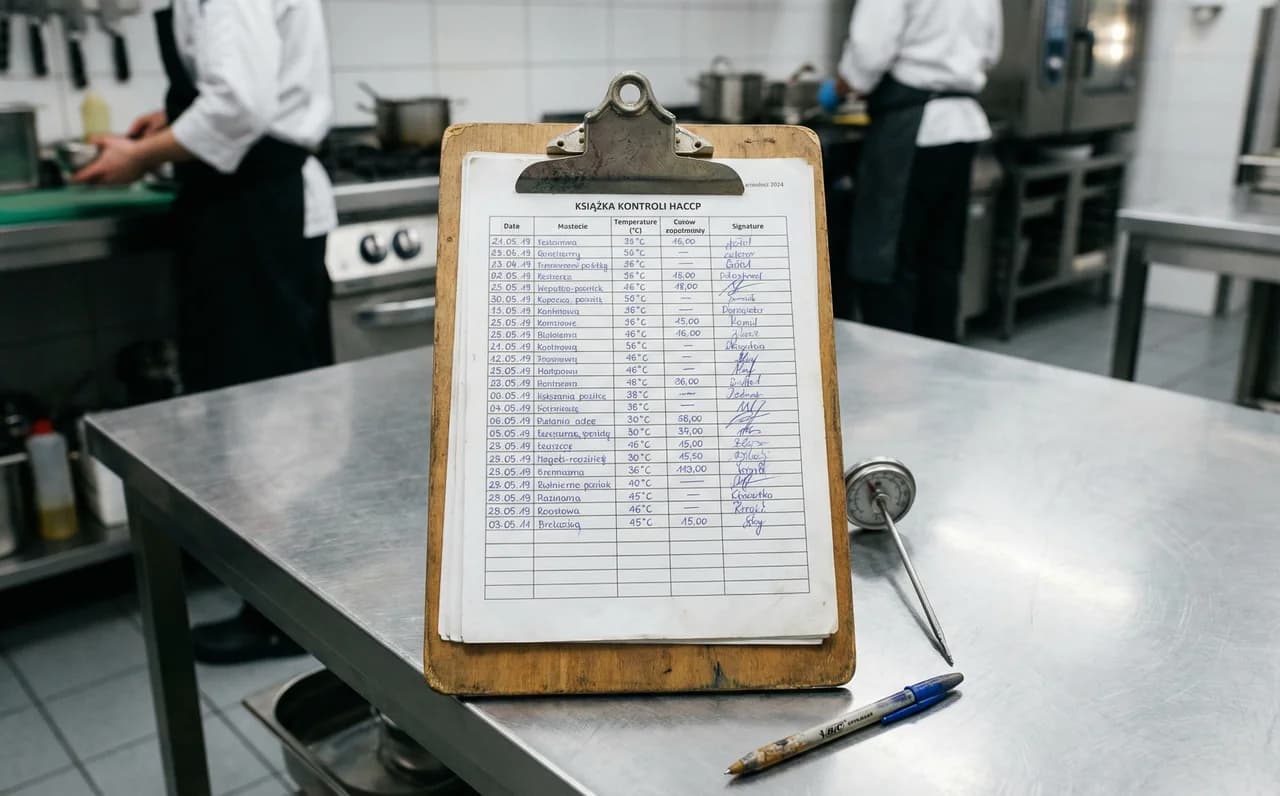
Rules for keeping temperature, cleaning and disinfection registers and other required records. How to do it without gaps in daily work.
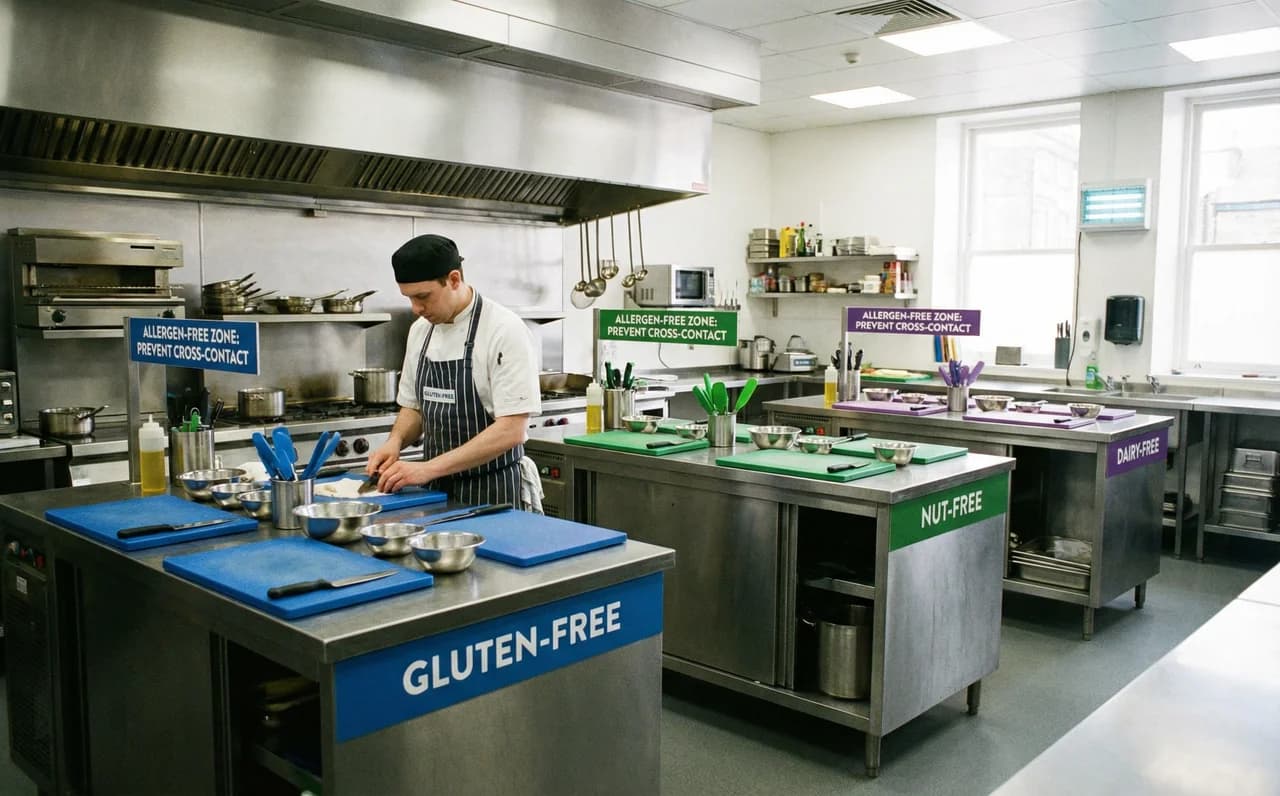
Typical places of cross-contamination in the kitchen and the procedures that limit them. See where your kitchen may slip up most often.
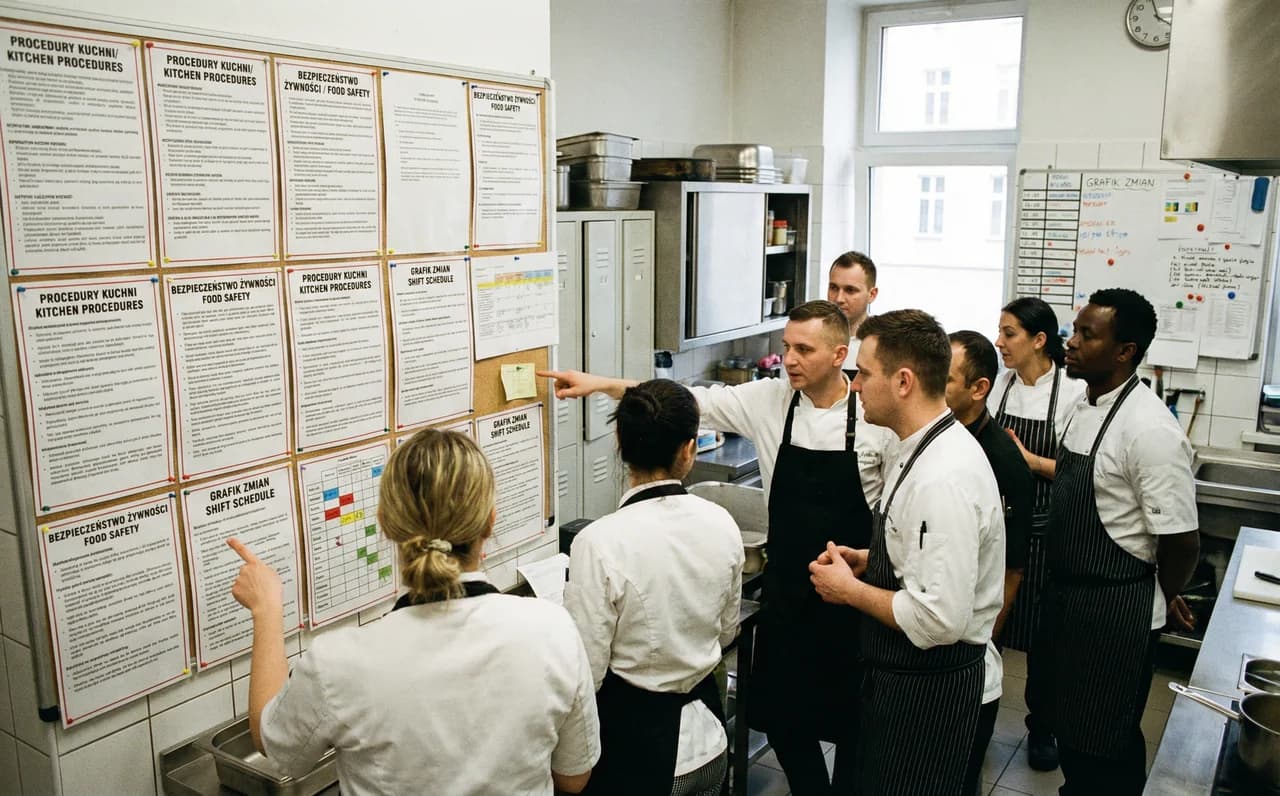
Why bilingual instructions make life easier for the whole kitchen. Learn how to implement PL/EN versions so that the whole team really uses them.
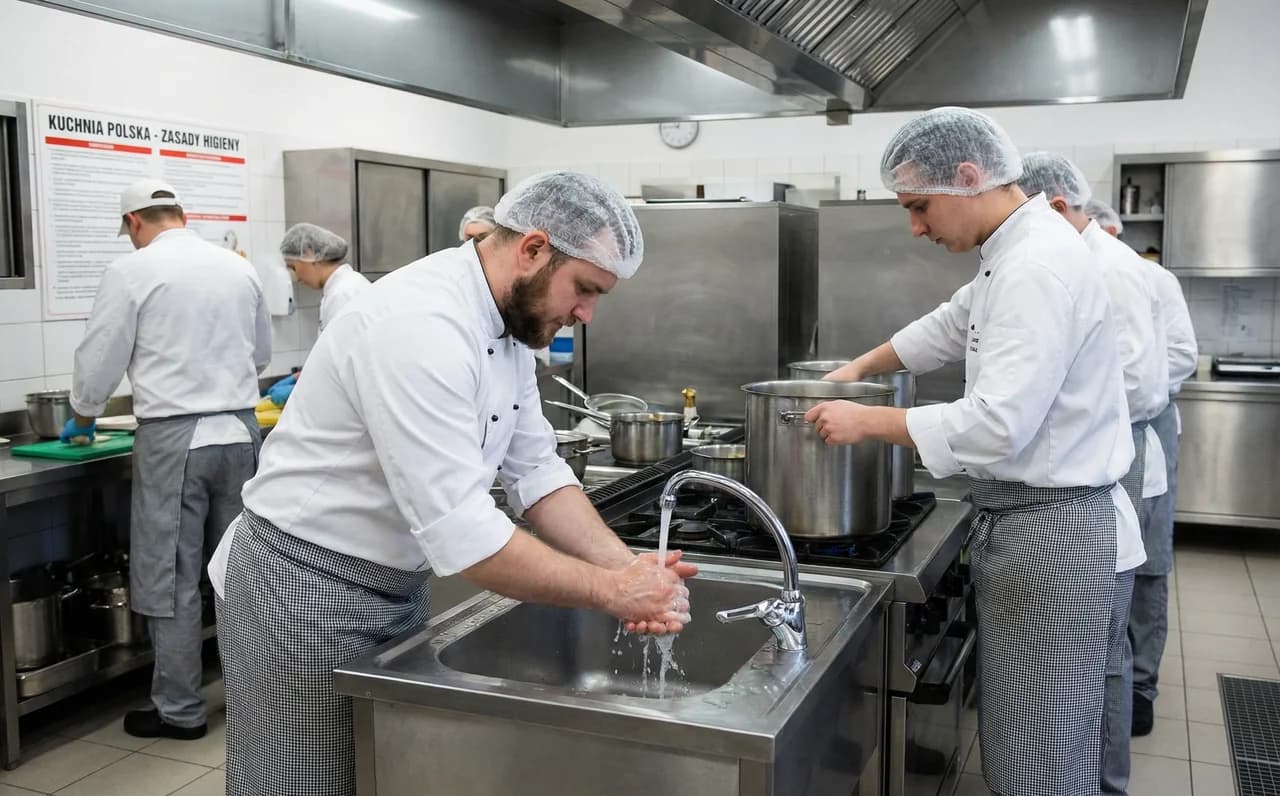
What inspectors look at in staff: clothing, habits and hygiene training. Avoid the most common non-conformities in this area.
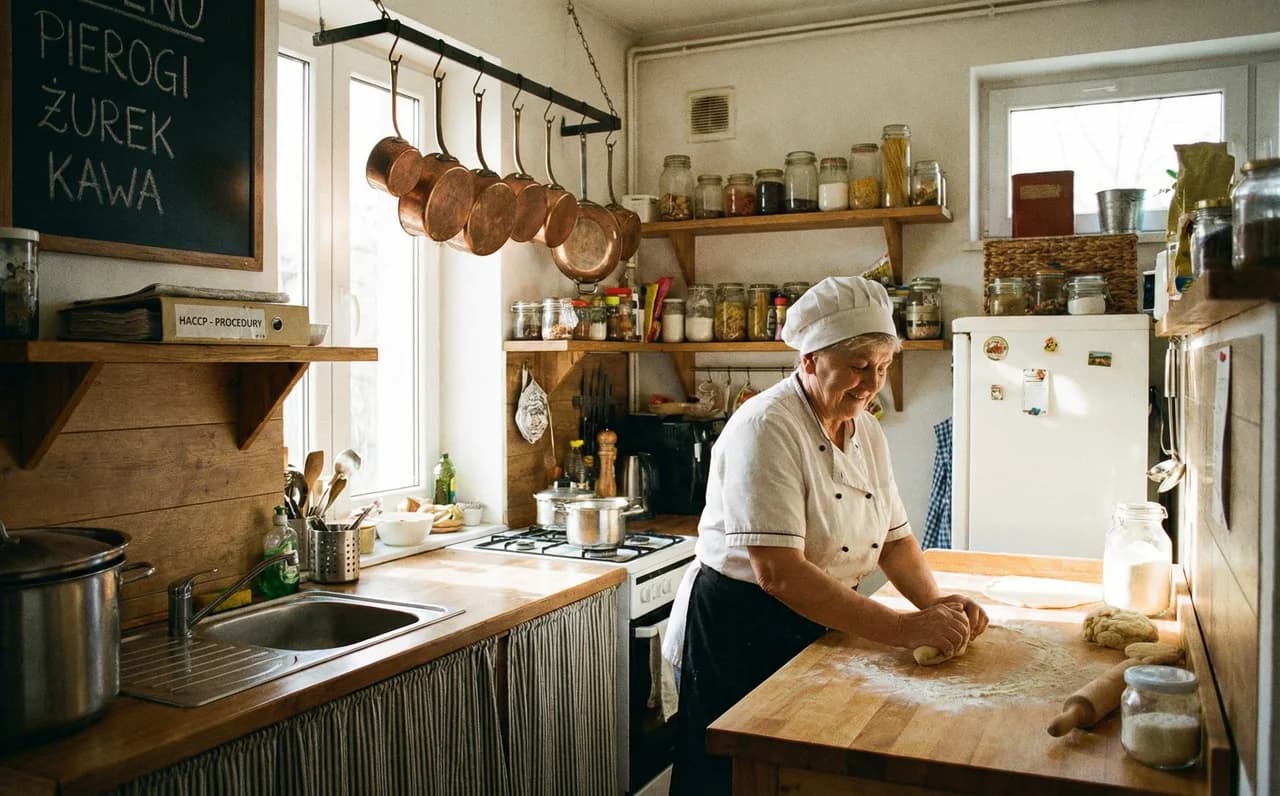
A small venue needs not a HACCP encyclopaedia but a system that works. Learn the simple logic of HACCP/GHP/GMP and what must be consistent at an inspection.
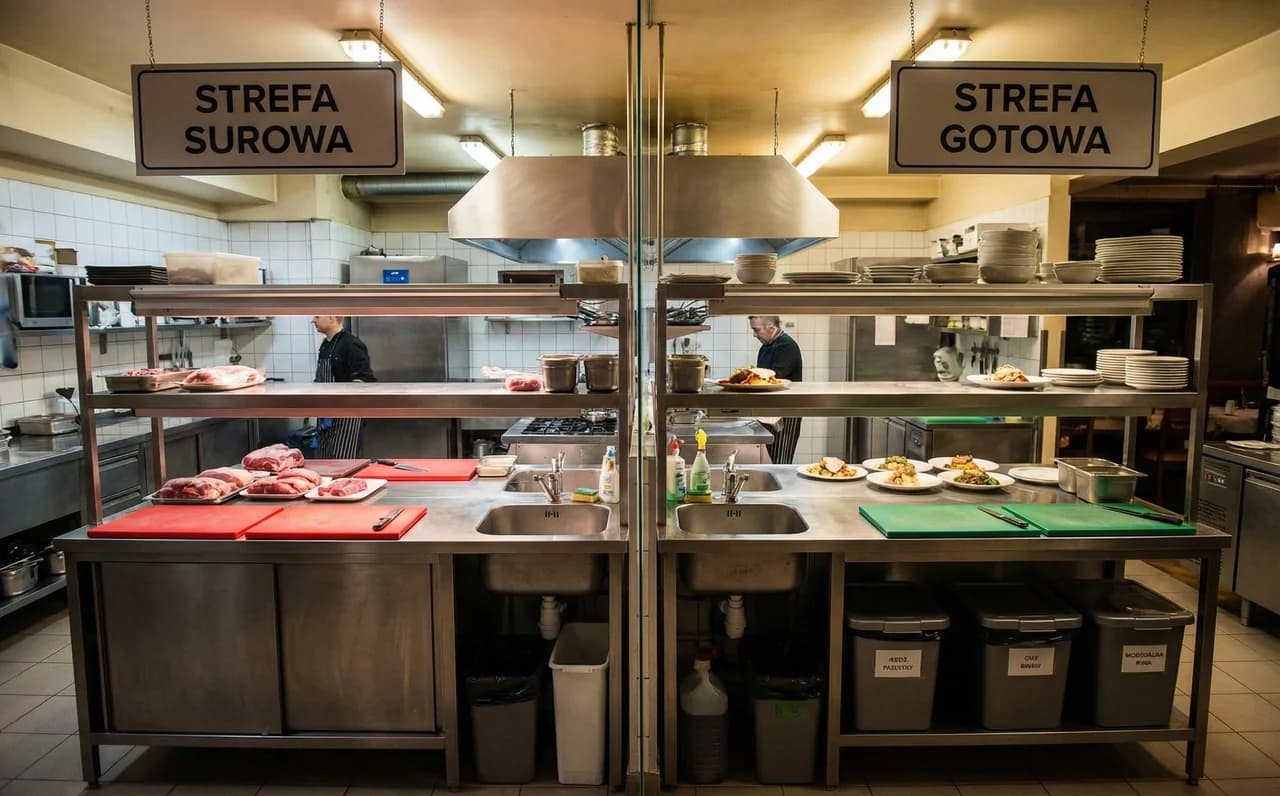
Division into clean and dirty zones and rules for the movement of staff and products. We suggest how to arrange the space to limit cross-contamination.
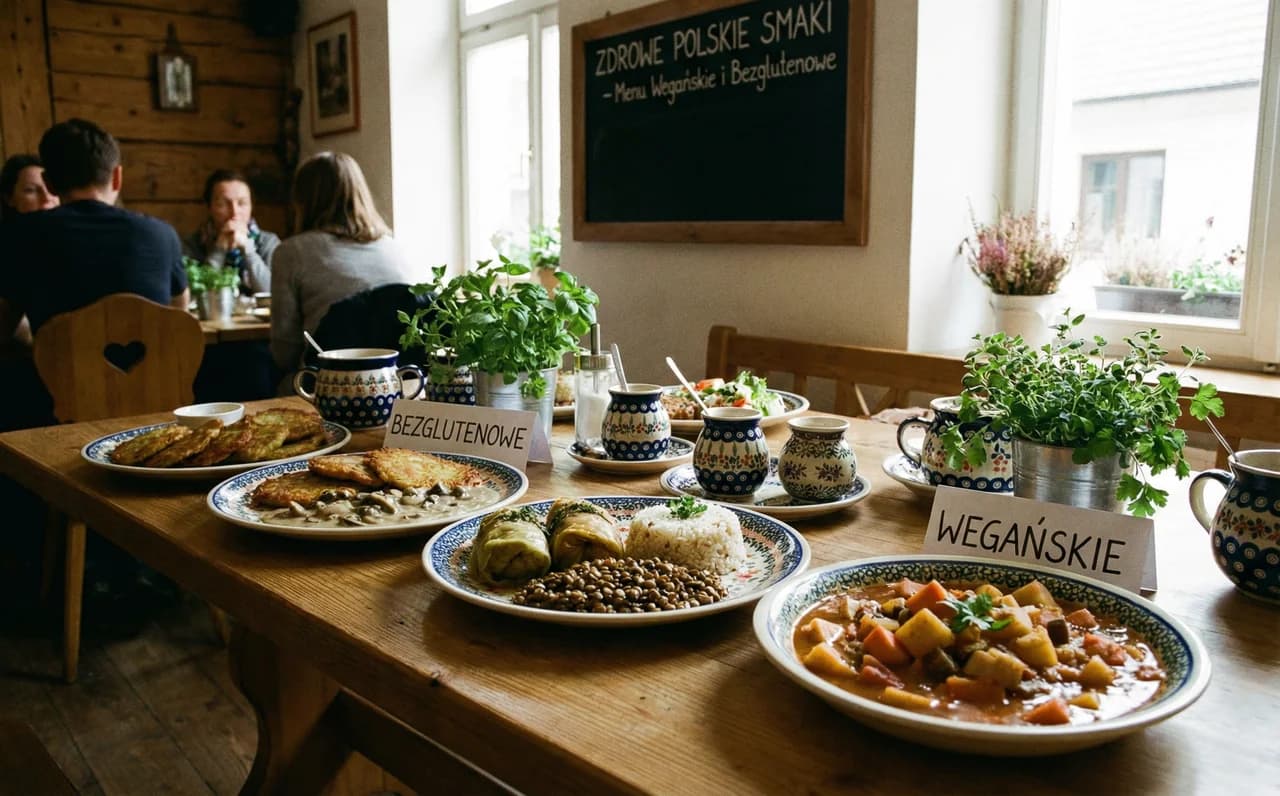
"Gluten-free" and "vegan" are a risk if the kitchen has no system. Learn how to word descriptions, what not to promise and how to avoid claims.
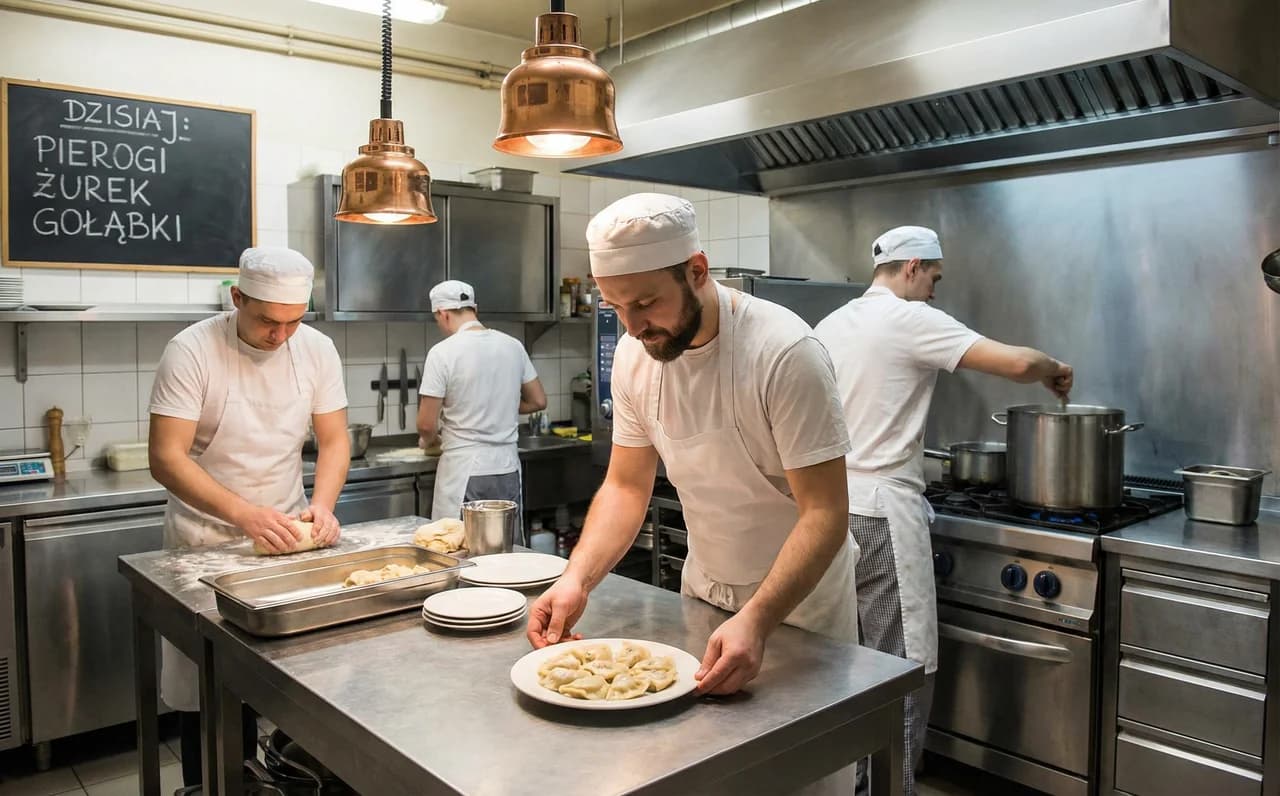
A process description model and good practice: from raw material to serving, with a focus on clarity. See how to write specifically, without padding.
Free, straight to your inbox
Ready to print in A4 and A3. All 14 allergens subject to mandatory information, laid out so the whole kitchen can read it. In three languages: English, Polish and Ukrainian. The poster is sent by email to the address you give us.